Why Predictive, Digital Risk Management Will Define Business Resilience in 2026

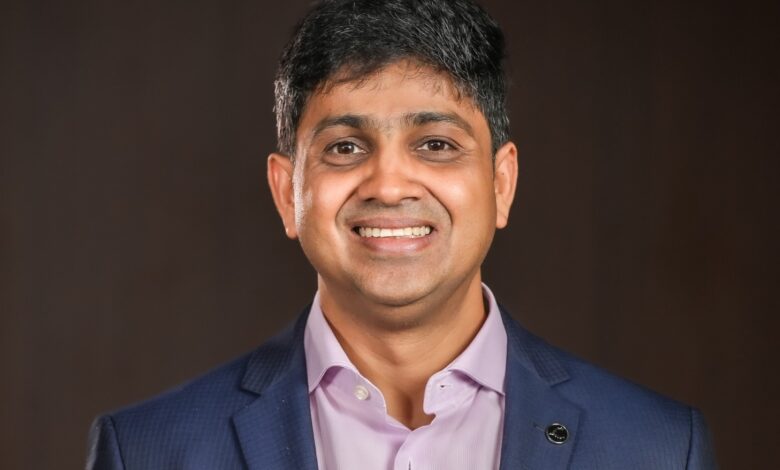
As businesses across the Middle East and Africa confront climate volatility, supply-chain disruption, and increasingly complex risk landscapes, traditional insurance models are no longer enough. In this interview, Abhishek Jain, CEO at EIRS, outlines how technology-driven underwriting, real-time risk analytics, and AI-enabled platforms are reshaping risk management for SMEs, agriculture, and cross-border trade. The discussion explores EIRS’s strategic partnerships, pan-African expansion, and digital-first priorities for 2026, highlighting a shift from reactive coverage toward predictive, client-centric risk ecosystems that support sustainable growth and long-term resilience.
What opportunities do you foresee for 2026, and how do you plan to leverage them?
In 2026, we’re likely to experience a surge in demand for comprehensive risk-management solutions, largely among SMEs and agricultural enterprises across the Middle East and Africa. These are primarily sectors that are increasingly facing exposure to climate volatility, supply-chain disruptions, and market instability.
EIRS is uniquely positioned to capitalize on this shift through its technology-driven platform and market insights. By expanding the adoption of our digital underwriting and real-time risk-analytics tools, we plan to offer more tailored, accessible coverage. We will also deepen our regional outreach through local hubs, including Dubai, to embed risk management into everyday business strategy, helping clients build resilience and seize growth even in uncertain environments.
What major challenges did you encounter this year, and how did you address them?
Each year we experience different challenges as the market evolves. This year was no different as it naturally presented its unique hurdles, from emerging complexities across risk landscapes, regulatory shifts to escalating non-insurable exposures such as cyber threats, supply-chain instability, and unpredictable commodity markets.
Anchored on past experiences, our experts were able to respond strategically – further strengthening our capabilities. At the same time, we enhanced client engagement, walking customers through tailored risk profiles, policy placements and maintenance, to ensure continuity, clarity, and most importantly, transparency.
Can you elaborate on your strategic partnerships this year and plans for next year?
Partnerships are the beacon of success – an approach we take seriously. In 2025, we formalized an exclusive partnership with AU Group, a leading specialized broker for Trade Credit and Political Risk insurance, to launch Africa’s first dedicated broking platform in this space.
This alliance has expanded our regional reach across nearly 51 African markets. It has further enabled us to offer sophisticated trade-credit and political risk coverage, supporting economic development and cross-border commerce. Moving forward into 2026 and beyond, we are committed to forging strategic alliances with key regional players, particularly fintech companies, logistics and aviation firms, and agritech innovators.
What will be your primary focus areas and strategic priorities for 2026?
Our 2026 strategic priorities will largely focus on three key pillars: digital scale-up, risk diversification, and client-centric innovation. First, we intend to accelerate the deployment of our risk-modelling and analytics technology to deliver real-time insights and seamless insurance processes. Second, we aim to broaden our insurance footprint beyond traditional lines, further deepening offerings in agriculture, trade-credit, supply-chain, and non-insurable risk solutions.
Last but not least, we shall emphasize building resilience for clients through customised risk frameworks and stress-testing services. As a result, we shall enable businesses to anticipate and navigate volatility. Anchored in these priorities, we want to shift from reactive underwriting to proactive risk-management advisory in line with our mission to provide holistic, sustainable, and digital risk solutions to our customers, that encompass both insurable and non-insurable aspects of business.
Are there plans to explore new markets or introduce new products/applications in 2026?
In terms of exploring new markets, we plan to both deepen regional penetration even as we look to widen our product suite. Given our existing pan-African presence across 11 countries and strategic hubs in Dubai and London, we’re exploring entry into additional emerging markets where SMEs and commercial value-chains remain under-insured.
On the product front, we intend to launch need-driven, technology-enabled solutions that help our customers protect and grow their respective businesses by helping mitigate risks that are specific to their industry and local market. Our expansion strategy is underpinned in our flagship platforms, which include DataLake 360, Xpress Logistics, and Brokify, helping us to deliver flexibility and scalability for different client needs across the MEA region.
How is your company approaching sustainability, digital transformation, or AI adoption in preparation for 2026?
Sustainability, digital transformation, and AI adoption remain deeply embedded in our growth and service delivery strategy – key factors that form the core foundation of our 2026 roadmap. Recognizing the evolving nature of risk – climate, regulatory, supply-chain, cyber – we are building technology-first risk platforms that deliver efficient, data-driven insights.
Using advanced risk analytics, stress-testing, and modelling tools, we provide clients with visibility into long-term exposures, promoting sustainable business practices and resilience. AI-enabled components within our platforms allow for dynamic underwriting, real-time risk scoring and adaptive policy-design. Combined with a consultative approach to non-insurable risk, this digital-first philosophy ensures we remain ahead of emerging threats and firmly aligned with clients pursuing sustainable growth.