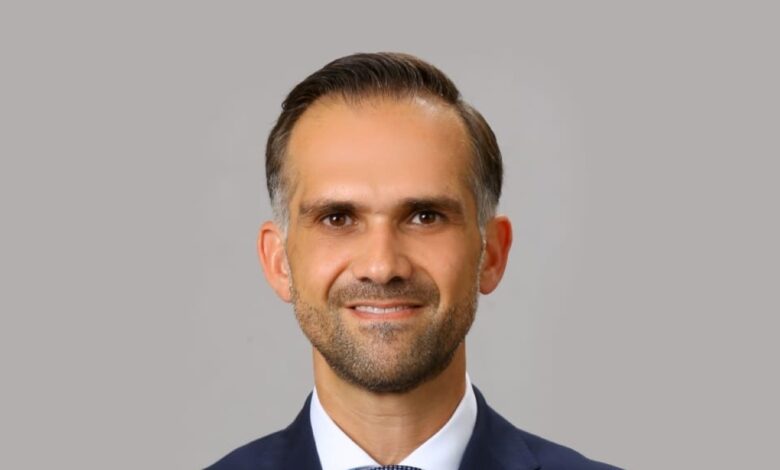
AI may automate tasks, but it won’t replace trust, creativity, or leadership. Muhannad Khattab, UAE Country Manager at NTT DATA, discusses how organizations can balance AI adoption with human skills, build effective hybrid cultures, and lead distributed, multi-generational teams in the decade ahead.
How will AI and automation redefine job roles, productivity, and workforce structure over the next decade?
Over the next decade, AI and automation will change how work feels, not just how it’s done. Instead of replacing people, AI will take over repetitive, time consuming tasks, giving employees more space to focus on problem solving, creativity, and human connection that AI can’t replace.
What is the optimal balance between remote, hybrid, and in-office work for performance and culture?
There is no single right model, it is hybrid by design and intention not by default. Remote work supports focus and flexibility, while in office time is most valuable for collaboration, learning, and building trust. I genuinely believe that hybrid models can strengthen both performance and culture.
Which skills will be most critical in the future workplace, and how should organizations approach continuous upskilling?
AI innovation will significantly enhance organizational performance, but people skills will remain the true differentiator. As technology advances, strong communication, social skills, and emotional intelligence will become even more critical. Organizations must actively enable their employees by investing in these human capabilities and elevating how people connect, collaborate, and lead.
How should leadership and management evolve to effectively lead distributed, multi-generational teams?
Leadership in the future workplace must shift from managing presence to enabling performance and trust. Leading distributed, multi-generational teams requires empathy, clear communication, and a strong focus on outcomes rather than hours worked. Effective leaders create clarity around goals, encourage open dialogue across different working styles, and adapt how they motivate and support individuals at different life stages.
What technologies will be essential to enable secure, efficient, and collaborative digital workplaces?
The digital workplace will rely on technologies that are secure by design and simple to use. Core essentials include cloud based collaboration platforms, AI powered assistants, and modern identity and access management to protect data without slowing people down. At NTT DATA, we always encourage our clients to implement Zero trust security, secure endpoints, and intelligent automation to enable employees to work safely from anywhere.
How can organizations improve employee experience while addressing burnout, mental health, and work-life balance?
This has become a real challenge now a days. It is the responsibility of leaders to set clear expectations, support their teams, encourage open dialogue, and define priorities. Rather than adding more wellness activities that employees feel pressured to attend or miss, organizations should focus on creating healthy ways of working that genuinely support people day to day.
How will performance measurement and career progression change in a skills-based, flexible work environment?
In flexible work environment, skills performance will be measured by results and real impact, not visibility or hours worked. Career growth will be more dynamic, driven by the skills people develop, the contributions they make, and how effectively they collaborate and learn.
How can diversity, equity, and inclusion be meaningfully embedded into future workplace models rather than treated as initiatives?
Diversity, equity, and inclusion become meaningful when they are built into how organizations operate, not managed as separate initiatives. This means embedding fairness into hiring, pay, performance reviews, promotion criteria, and access to opportunities especially in hybrid and remote environments. Leaders must be accountable for inclusive behaviors and outcomes, supported by clear data and transparent processes.