Uncertainty Grows for 66% of Organisations: International SOS Risk Outlook 2026

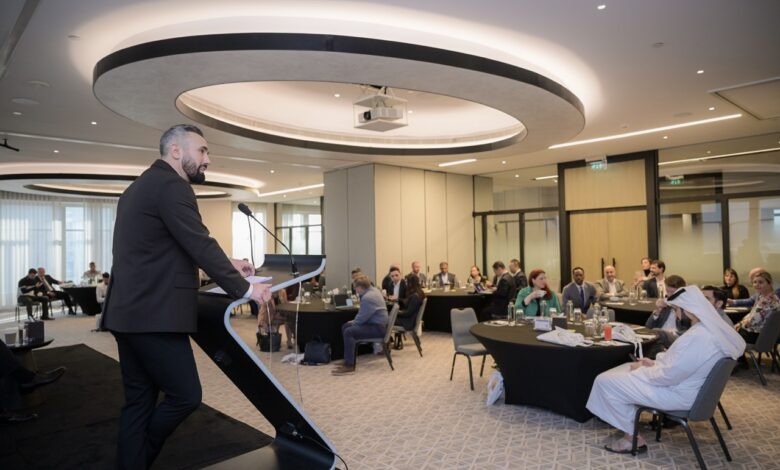
As organisations in the UAE operate in an environment of rapid growth, global connectivity and rising geopolitical complexity, new findings from the International SOS’ Risk Outlook 2026 reveal that business leaders increasingly need to make critical decisions faster, often with less certainty and fewer resources. Backed by four decades of on-the-ground expertise in medical and security risk management, International SOS supports organisations as an integral partner as 66% report rising uncertainty driven by geopolitical instability, cyber threats, and converging health and natural hazard risks.
The 10th edition of the annual report shows that 74% of organisations globally say the window for making critical decisions is shrinking, while 57% report that new risks are emerging faster than they can manage. Despite this acceleration, only 35% of leaders feel confident in their ability to mobilise teams quickly, exposing a significant preparedness gap.
Arnaud Vaissié, Co-Founder, Chairman and CEO of International SOS, “As we enter 2026, organisations face a landscape defined not only by complexity but by the accelerating pace of change. Geopolitical shifts, natural hazards, rising costs, and polarisation strain operations and impact employees. Misinformation and disinformation erode trust. Mental health concerns intensify as human capital becomes ever more critical. Risks no longer arrive in isolation; they converge, evolve, and challenge even the most robust plans. In this environment, preparedness is essential – the foundation for confidence, continuity, and growth.”
The UAE, a regional hub for multinational operations, global supply chains and workforce mobilAity, is affected by these various growing trends as well. Insights show that 65% of regional respondents expect security risks to increase over the next 12 months, yet just 34% anticipate any rise in security budgets, highlighting a growing mismatch between risk exposure and organisational readiness.
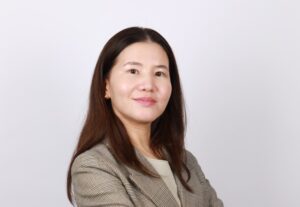
“Here in the Middle East, we witness that security incidents and developments don’t happen in isolation, they overlap, cascade and compound. For organisations operating in the UAE, preparedness must keep up with the growing pace of challenges and changes happening in the broader Middle East region” said Gulnaz Ukassova, Director, Information and Analysis, Middle East, International SOS.
From a mental health perspective, while more than one billion people globally live with mental health conditions, only 17% of surveyed leaders rank mental health among their top three risk concerns. International SOS case data shows that anxiety and stress are the most common mental health conditions requiring assistance, often complicating business travel and workforce productivity. At the same time, rising medical costs are placing additional strain on employers. In the Middle East, private medical insurance premiums have increased by an estimated 12–20% in recent years2, driven by higher utilisation, advanced treatments and escalating provider costs, a trend expected to continue into 2026.
Despite growing global investment in artificial intelligence, only 6% of organisations consider AI a critical tool for managing risk, according to the report. This hesitation comes as misinformation and disinformation increase sharply, with experts estimating that around 50% of online content is now AI‑generated or machine‑assisted, complicating risk verification during crises.
“For UAE‑based organisations operating across borders, the ability to verify information quickly and accurately is becoming mission‑critical,” added Ukassova. “Technology alone cannot be the solution for that. Use of AI must be paired with human-led verification and analysis.”
As the UAE continues to attract global talent, host major events and expand into new markets, the International SOS Risk Outlook 2026 underscores the need for proactive, integrated and intelligence‑led preparedness. The report concludes that organisations best positioned for 2026 are those that anticipate risks early, integrate health and security planning, test and update response plans continuously and anchor resilience at board level with clear ownership and investment.
Full report can be downloaded here.