Designing the Future Workplace: Balancing Flexibility, Skills, and Purpose

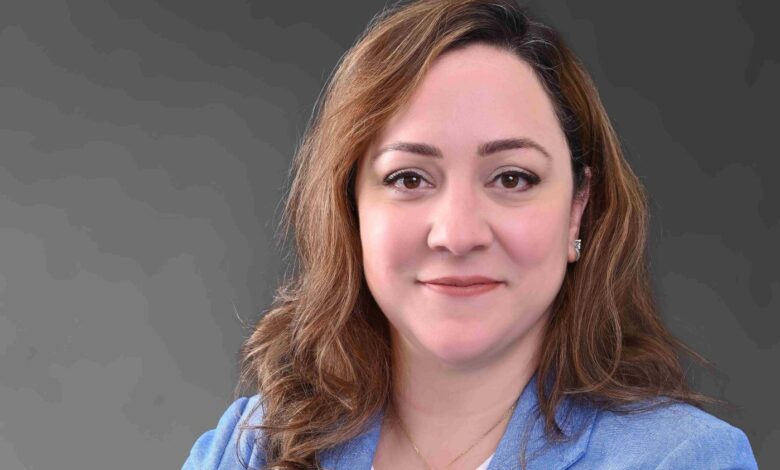
Susan Hakim, HR Director at Ankabut, explains how organizations can thrive in a remote‑first world by embracing intentional hybrid models, continuous upskilling, and people‑centered leadership. She highlights that performance, career growth, and employee experience will increasingly hinge on outcomes, skills development, and a strong, purpose-driven culture rather than hours at a desk.
What is the optimal balance between remote, hybrid, and in-office work for performance and culture?
There is no universal model that works for every organization or role. The most effective approach is an intentional hybrid model, where work location is driven by outcomes rather than routine. The rise of remote work has delivered clear benefits, including flexibility and focus, but it has also highlighted the importance of human interaction.
Culture is not created by proximity alone; it is shaped by trust, clarity, and consistency in how people work together. At the same time, meaningful in-person interaction plays a vital role in building relationships, fostering collaboration, and reinforcing shared purpose.
Offices should be designed as spaces for connection and shared purpose, not as default work locations. When employees understand why they are coming together and feel trusted in how they deliver results, both performance and engagement improve.
Which skills will be most critical in the future workplace, and how should organizations approach continuous upskilling?
Beyond technical expertise, the most critical skills will be learning agility, digital fluency, and critical thinking as well as human skills such as empathy and compassion. As AI becomes more embedded in daily work, employees must be able to interpret, question, and apply technology responsibly. The ability to balance this, whilst practicing emotional intelligence in the form of kindness and compassion to remain people centered, will become increasingly important.
Upskilling should be continuous and embedded into work rather than treated as one-off training. Organizations need to align learning with real challenges, provide access to the right tools and platforms, and recognize that different roles require different learning paths. At Ankabut, this is supported through ongoing digital capability development, and initiatives that promote both technical excellence and human-centred leadership. Organizations that invest consistently in skill development will be better positioned to adapt to change and retain talent over time.
How will performance measurement and career progression change in a skills-based, flexible work environment?
Performance measurement will shift away from the more traditional metric of hours worked toward impact, outcomes, and capability growth. Presence is no longer a reliable indicator of contribution. In flexible environments, success is defined by what is delivered, how effectively teams collaborate, and how individuals continue to develop relevant skills.
Career progression will become less linear, with advancement driven by demonstrated capability rather than tenure alone. Clear expectations, regular feedback, and transparent pathways for growth will be essential to ensure accountability while supporting flexibility.
How should leadership and management evolve to effectively lead distributed, multi-generational teams?
Future leadership is less about control and more about alignment, trust, and clarity. Leading distributed and multi-generational teams requires strong communication, emotional intelligence, and an outcome-focused mindset. Effective leaders set clear direction, provide context, and empower autonomy rather than relying on proximity or micromanagement.
They also recognize that different generations bring different working styles and expectations, requiring flexibility rather than uniformity. In distributed environments, leadership presence is defined by consistency, transparency, and how leaders show up during moments of change.
What role will workplace culture and purpose play in attracting and retaining talent in a remote-first era?
In a remote or hybrid world, culture and purpose become key differentiators. When physical presence is no longer the main connector, people stay because they believe in the mission and feel a sense of belonging. Purpose must be clearly articulated and reinforced through everyday decisions and leadership behavior.
Culture is experienced in how feedback is given, how challenges are handled, and how people are supported. Organizations that authentically live their values will find it easier to attract and retain talent, regardless of where work happens.
How can organizations improve employee experience while addressing burnout, mental health, and work-life balance?
Burnout is often driven by lack of clarity, constant urgency, and limited autonomy rather than workload alone. Improving employee experience starts with realistic expectations, intentional prioritization, and trust. Flexibility should be paired with clear boundaries and accountability. Wellbeing must be built into policies, workflows, and leadership practices, not treated as a reactive initiative.
When employees feel supported, respected, and able to balance performance with personal wellbeing, engagement and productivity become more sustainable.