Nigeria Moves to Mandate Compensation for Poor Telecom Service Quality

Nigerian Communications Commission (NCC) has issued a new directive requiring mobile network operators (MNOs) to compensate subscribers for poor quality of service (QoS), in a move aimed at strengthening consumer protection and accountability in the telecom sector.
The directive applies in cases where network performance falls below the Commission’s established key performance indicators (KPIs) and service standards within defined timeframes. Under the proposed framework, affected users will receive compensation in the form of airtime credits, calculated based on their average usage patterns and the extent of service disruption in specific Local Government Areas.
Unlike traditional regulatory approaches that rely heavily on financial penalties, the NCC said this mechanism is designed to ensure that enforcement actions deliver direct benefits to consumers. By linking compensation to actual user experience, the regulator aims to incentivise operators to prioritise service reliability and network performance.
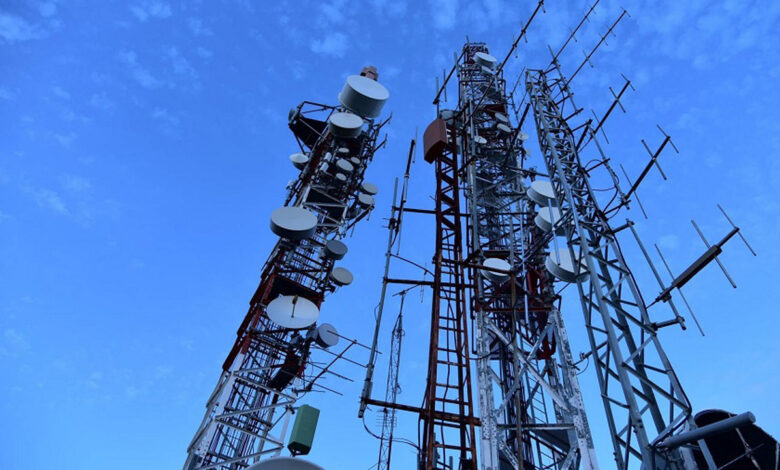
In a parallel development, the NCC is also expanding regulatory oversight to include telecom tower companies. These infrastructure providers will now be required to reinvest a portion of any regulatory fines into network upgrades, with clear and measurable performance outcomes. The move is intended to address underlying infrastructure gaps that often contribute to service disruptions.
According to local media reports, Nnenna Ukoha, Head of Public Affairs at the Commission, said: “Subscribers should not be made to bear the full burden of service disruptions where operators fail to meet prescribed standards of service delivery.”
She added: “Telecommunications services today underpin economic activity, social interaction, and access to digital opportunities. When service quality is poor, the consequences affect productivity, commercial activities, and even public confidence in our communications system.”
The directive comes amid growing scrutiny of QoS standards across Africa. Regulators in several markets have stepped up enforcement in response to persistent service challenges. In Ghana, for instance, the National Communications Authority (NCA) recently revised its QoS KPIs for mobile operators, while authorities in Chad and Zambia have flagged significant deficiencies in network performance.
With mobile connectivity playing a critical role in economic and social development, Nigeria’s latest move signals a broader regional shift towards stricter enforcement, improved service standards, and greater consumer-centric regulation in the telecommunications sector.