Microsoft Ends Windows 10 Support, Leaving 500M PCs Vulnerable—Google Offers a Free Fix

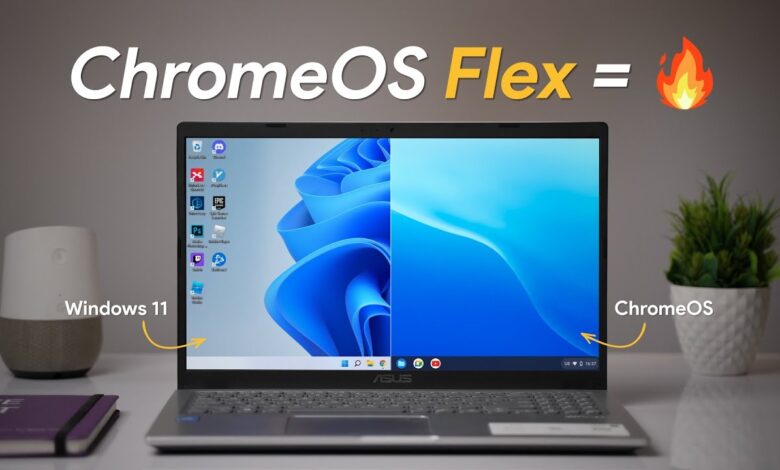
An estimated 500 million Windows 10 PCs are at risk of becoming insecure following Microsoft’s decision to end support for the operating system. With security updates discontinued, millions of users—especially those with older hardware—are now facing a difficult choice: upgrade their devices or continue using unsupported software.
While Microsoft offers a free upgrade to Windows 11, a large share of Windows 10 machines do not meet the system requirements. As a result, these devices are being left behind, creating what experts describe as a growing “security gap” for users who cannot afford new hardware.
Now, Google is stepping in with a free alternative: ChromeOS Flex.
ChromeOS Flex is a lightweight, cloud-based operating system designed to breathe new life into older PCs and Macs. Google describes it as a secure and easy-to-manage platform that allows users to modernize existing devices without purchasing new ones.
To simplify adoption, Google has introduced a ChromeOS Flex USB installation kit in partnership with refurbished electronics marketplace Back Market. The kit is designed to make it easier for users to install the operating system and extend the life of their current devices.
The timing comes shortly after Microsoft’s Windows 10 end-of-support announcement in October, which has left hundreds of millions of users in limbo. Many now face the trade-off between investing in new hardware or continuing to use machines that will no longer receive security patches.
Industry observers note that the transition to Windows 11 has been slower than expected. Even Microsoft executives have acknowledged that adoption is lagging behind previous operating system cycles, with millions of devices unable to make the switch due to stricter hardware requirements.
Critics say this has created one of the most significant upgrade challenges Microsoft has faced in years, slowing its broader push toward an AI-centric Windows ecosystem.
Google, meanwhile, is positioning ChromeOS Flex as both a practical and sustainable solution. The company argues that extending the lifespan of existing devices helps reduce electronic waste and lowers carbon emissions associated with manufacturing new laptops. It also claims ChromeOS consumes significantly less energy compared to traditional operating systems.
Early adopters have reported positive results. In enterprise environments, companies such as Sanmina have deployed ChromeOS Flex across operations, using it to repurpose outdated systems and extend hardware life cycles.
With millions of PCs now facing obsolescence, ChromeOS Flex is emerging as a timely alternative—offering users a way to keep older machines secure, functional, and relevant without additional cost.