Driving Inclusive Growth: Redefining Leadership, Sponsorship and Impact in Tech

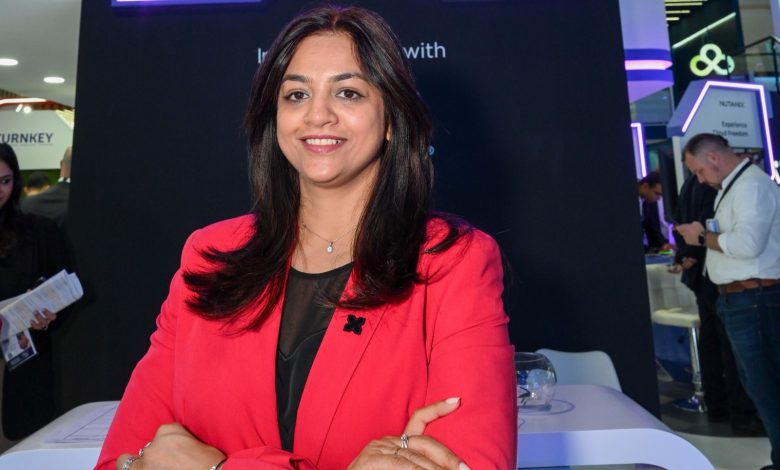
Shaista Ahmed, Director – Channel & Ecosystem, Middle East & Africa at Nutanix, shares how an unexpected entry into the tech industry evolved into a purpose-driven leadership journey. In this International Women’s Day conversation, she discusses the quiet barriers women still navigate, the power of sponsorship over symbolism, and why digital fluency, resilience and authentic leadership will define the next generation of women in tech.
What defining moments or challenges most shaped your professional journey?
I joined the tech industry on a bit of a whim at first, really just wanting to give it a try, I had always been intrigued by the fast pace, innovation, and transformative power that technology seemed to offer. It wasn’t something I’d planned for in the beginning, but I could sense the massive potential for growth in tech and saw it as an opportunity to push myself outside of my comfort zone.
At first, it was definitely a learning curve. There was so much to absorb new technologies, different ways of selling, understanding the complexities of SaaS, and how companies were leveraging technology to solve real-world problems. But as I dove deeper into it, I realized just how impactful and fulfilling it could be. The more I learned about how tech companies were reshaping industries, creating efficiencies, and enabling businesses to scale, the more I got hooked.
What I love about the tech industry is how dynamic it is. It’s constantly evolving, and that means there’s always something new to learn, explore, and contribute to. From collaborating with innovative thinkers and being surrounded by cutting-edge solutions to seeing the direct impact of those solutions on businesses and customers, it’s incredibly exciting. There’s also the sense of being part of a larger mission where the work I do, whether it’s supporting partners, driving sales, or strategizing with internal teams, is contributing to something bigger. Helping businesses grow and innovate through technology is incredibly rewarding.
The journey has been nothing short of incredible. Looking back, I realize that what started as a ‘let’s see what happens’ experiment turned into something that has truly shaped my career and my perspective. The tech industry has not only helped me grow professionally but has also expanded my understanding of the world in so many ways. I love being part of a space that never stops innovating and pushing the boundaries of what’s possible
What barriers do women still face in leadership today that aren’t talked about enough?
Despite progress, several barriers women face in leadership remain less openly discussed. One is the prove it again bias women are often required to repeatedly demonstrate competence, while others are evaluated on potential. There is also the double bind around leadership style: being assertive can be perceived as aggressive, while being collaborative may be viewed as lacking authority. Access to informal networks remains another challenge.
Many career-defining opportunities arise from sponsorship and closed-door conversations where women may have limited visibility. Additionally, women leaders are frequently expected to take on disproportionate emotional labour mentoring, team morale, and culture-building work that is valuable but not always formally rewarded.
Subtle caregiving assumptions can also influence perceptions of availability and long-term commitment, impacting stretch assignments or succession planning. These barriers are often systemic rather than explicit. Overcoming them requires transparent promotion criteria, active sponsorship, and leadership cultures that value diverse leadership styles rather than reinforcing traditional norms.
How have you built credibility and influence in environments where women are underrepresented?
Credibility is built through results; influence is built through relationships and consistency. In underrepresented spaces, both must be cultivated deliberately and sustained over time. Some of things that can create this impact is demonstrating strong results, meeting commitments, and adding measurable value establishes a foundation of trust that transcends bias. Performance creates credibility.
Being well-informed, data-driven, and solution-oriented shifts conversations from perception to impact. visibility is important, contributing thoughtfully in key forums, volunteering for high-impact initiatives, and taking ownership of strategic projects ensures work is seen and recognized. Investing in cross-functional partnerships and understanding stakeholder priorities strengthens influence beyond formal authority. Lifting others as you rise amplifies impact, supporting other women and allies creates collective influence, not isolated success.
How is technology—especially AI and automation—changing leadership expectations in your industry?
Leaders are now expected to be digitally fluent. They don’t need to code, but they must understand how AI and automation drive efficiency, improve decision-making, and create competitive advantage. Strategic decisions increasingly rely on data insights rather than intuition alone. speed has become a differentiator. Automation compresses timelines, and AI accelerates analysis, meaning leaders must operate with greater agility while maintaining sound judgment.
The ability to experiment, iterate, and scale quickly is now essential, leadership is shifting from task oversight to value creation. As routine processes become automated, leaders are expected to focus more on innovation, customer experience, and strategic growth. Leaders must ensure AI is deployed responsibly, transparently, and in ways that build trust with employees and customers. In this environment leadership is less about control and more about adaptability, vision, and responsible transformation.
What skills or mindsets will be most critical for the next generation of women leaders?
The next generation of women leaders will need a powerful combination of strategic capability and personal resilience. Strategic agility will be critical the ability to navigate uncertainty, adapt to rapid change, and make informed decisions in complex environments. As industries become increasingly data-driven, digital and financial fluency will also be essential to influence outcomes and drive sustainable growth. Equally important is executive presence grounded in authenticity.
Future leaders must be confident without feeling pressure to conform, leading with both credibility and empathy. Strong influencing skills will matter more than ever building coalitions, navigating diverse stakeholders, and advocating not only for themselves but for others. Resilience and a growth mindset will underpin everything. The courage to take risks, learn from setbacks, and continuously evolve will separate good leaders from great ones. Ultimately, the most critical mindset is believing that leadership is not about fitting into traditional molds, but about reshaping them to create more inclusive, high-performing organizations.
What role have mentorship and sponsorship played in your career, and how do you support others today?
Mentorship and sponsorship have played a pivotal role in shaping my career. Mentors provided guidance, perspective, and honest feedback at key inflection points — helping me refine my strengths, navigate challenges, and think more strategically about long-term growth. They created space for reflection and learning. Sponsorship, however, made a different kind of impact.
Sponsors advocated for me in rooms I wasn’t in, recommended me for stretch opportunities, and backed my potential before I had fully proven it at the next level. That advocacy accelerated both confidence and career progression. Today, I try to pay that forward in two ways. As a mentor, I focus on listening, offering candid feedback, and helping others clarify their goals and development areas.
As a sponsor, I actively create visibility — recommending high performers for strategic projects, leadership exposure, and growth opportunities. I believe true support goes beyond advice; it involves action. When we intentionally open doors for others, we help build a culture where talent is recognized and advanced equitably.
How can organizations move beyond policies to create cultures where women genuinely thrive?
Leadership behavior must model inclusion. When executives actively sponsor women, advocate for their advancement, and ensure their voices are heard in key forums, it signals that inclusion is a priority, not a checkbox. Sponsorship not just mentorship is critical. culture thrives when inclusion is everyday behavior: who gets stretch assignments, who is invited into strategic conversations, and whose contributions are recognized.
When equity shapes decisions at every level, women don’t just participate they truly thrive. psychological safety matters. Women should feel empowered to challenge ideas, take risks, and lead without being penalized differently for assertiveness or ambition. flexibility and support structures such as equitable parental policies and return-to-work pathways must normalize shared caregiving responsibilities.
What advice would you give young women considering careers in IT, security, or leadership roles?
My advice to women starting off their careers and aspiring to enter the tech or business field is rooted in confidence, curiosity and resilience. The journey can be incredibly rewarding, but it’s important to approach it with a mindset that empowers you to thrive. It’s not always an easy road, but the impact you’ll have in shaping the future of the industry, in creating more inclusive workplaces, and in opening doors for the next generation of women is worth it. Be persistent, keep pushing forward, and remember that every challenge you face is just another step toward achieving your goals.
What does International Women’s Day mean to you, and what real change would you like to see beyond it?
International Women’s Day is more than a celebration, it is a moment to recognize progress, reflect on persistent gaps, and recommit to meaningful action. Supported globally it highlights the social, economic, and professional achievements of women while reminding us that equality is still a work in progress. To me, the day represents accountability. It’s an opportunity to move beyond symbolic gestures and have honest conversations about access to equal opportunity, leadership representation, and inclusive workplace cultures.
Beyond the day itself, I would like to see structural change, stronger sponsorship of women into leadership roles, and measurable diversity goals tied to real outcomes. This should be shared responsibility and a business imperative. Real impact will come not from a single day of recognition, but from consistent, sustained actions taken throughout the year.