Redefining Leadership in Tech: Driving Resilience, Inclusion, and Purpose in a Competitive Market

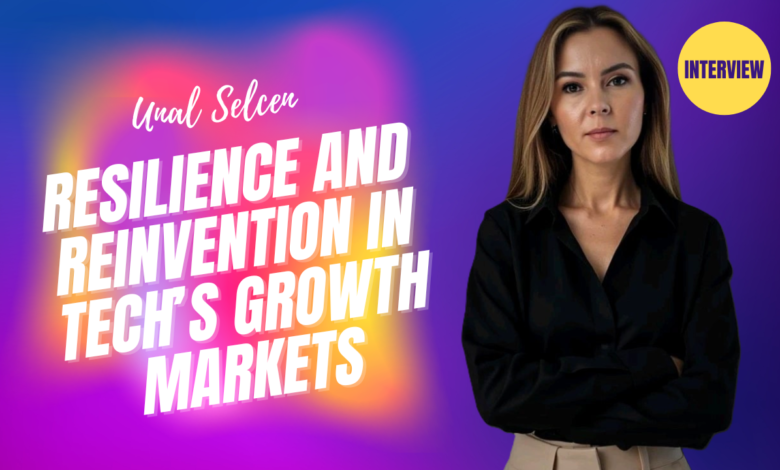
Building a career in competitive, male-dominated technology markets has shaped Unal Selcen’s leadership philosophy around resilience, empathy, and long-term value creation. As Sales Director for META Growth Region at BMC Helix, she has evolved from driving sales execution to enabling teams, challenging traditional leadership norms, and championing inclusive growth. Selcen believes real impact goes beyond targets — it is about guiding organizations through transformation, balancing innovation with ethics, and creating cultures where diverse talent is empowered to thrive.
What defining moments or challenges most shaped your professional journey?
By building a career in competitive, male-dominated tech markets, I learnt resilience, empathy, and effective communication. As my role evolved from sales execution to leadership, my focus shifted from short-term targets to long-term value creation, reinforcing my belief that true leadership is about enabling others to succeed.
What barriers do women still face in leadership today that aren’t talked about enough?
The often-ignored challenge is the unsaid expectation to constantly prove credibility. Often, women are assessed on consistency and not their potential. Women experience pressure to conform to existing leadership norms rather than lead authentically. This creates emotional and mental workloads that are rarely acknowledged, but they influence confidence, visibility, and long-term career growth to a large extent.
How have you built credibility and influence in environments where women are underrepresented?
Preparation, consistency, and delivering measurable outcomes build credibility. In environments where women are underrepresented, performance speaks louder than assumptions. I understood customer challenges deeply, built strong teams, and maintained transparency in decision-making. Over time, influence naturally followed results. I also ensured to support other women and diverse voices in the organization, because credibility is stronger when it is shared and multiplied across the team.
How is technology-especially AI and automation-changing leadership expectations in your industry?
Leadership focus is moving from operational supervision to strategic implementation. Leaders today must have an outcome-driven perspective rather than a functional one. Thus, faster decisions can be made by considering customer-focused points and data insights. Simultaneously, leaders must balance innovation with ethics, security, and workforce impact. The expectation goes beyond managing teams. It’s about guiding organizations through constant change while building trust in emerging technologies.
What skills or mindsets will be most critical for the next generation of women leaders?
Important abilities include emotional intelligence, versatility, and visionary thinking. In quickly changing markets and technology, a rigid career path does not help one succeed. The next generation must embrace continuous learning and cross-functional collaboration. Self-advocacy, confidence in one’s own judgement, and a willingness to lead difficult tasks are equally crucial. Resilience and authenticity will help them navigate complex environments while building inclusive, high-performing teams.
What role have mentorship and sponsorship played in your career, and how do you support others today?
Mentorship has helped me see possibilities beyond my immediate role. My confidence grew when sponsors advocated for me in rooms I hadn’t yet entered. Now, I do the same for others, especially women and young professionals. I guide, share opportunities, and motivate them to take on high-impact, visible projects. True support is more than just advice; it’s about creating opportunities and boosting self-esteem.
How can organizations move beyond policies to create cultures where women genuinely thrive?
Culture shapes daily experiences more than policies. The success of organizations is a result of equal opportunities, fair evaluations, and visible leadership support. When diverse talent is actively sponsored, and organisations consciously create environments to value different perspectives, people feel seen and heard. Consequently, performance and innovation naturally follow.
What advice would you give young women considering careers in IT, security, or leadership roles?
Don’t wait until you feel ready to step beyond your comfort zone; you will grow through it. Investing in interpersonal and communication skills is just as important as building strong business and technical backgrounds. Don’t be afraid to volunteer for challenging tasks, seek mentors, or ask questions. Be confident in your viewpoint and share it; diverse voices will influence technology in the future.
What does International Women’s Day mean to you, and what real change would you like to see beyond it?
On International Women’s Day, we should assess our progress and the work that remains. Other than raising awareness, it should promote measurable outcomes, such as inclusive cultures, equal opportunities, and an increase in women leaders. When diversity is considered as a business priority instead of a calendar event, real impact is achieved.