Balancing Curiosity and Discipline: A Modern Playbook for Women Leaders

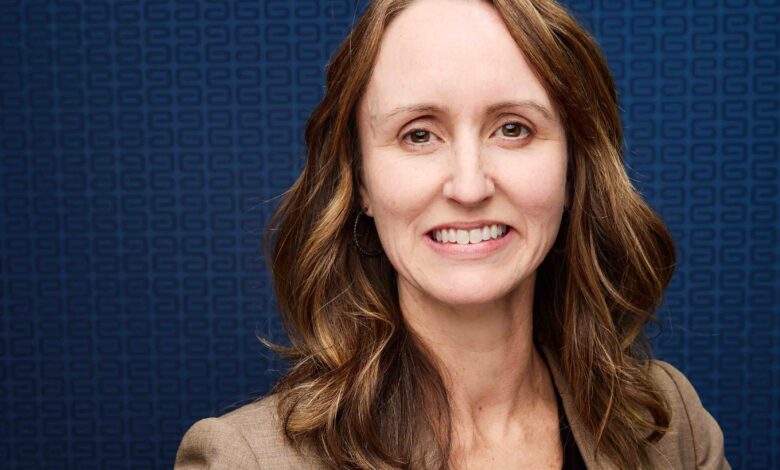
Kerrie Jordan, Chief Marketing Officer at Epicor, reflects on how early life lessons in creativity, discipline, and resilience shaped her leadership style. She emphasizes that women thrive when intellectual curiosity, technical fluency, and strong communication are paired with mentorship, sponsorship, and cultures that recognize everyday contributions beyond formal policies.
What defining moments or challenges most shaped your professional journey?
When I look back, it wasn’t a single defining moment, it was the environment I grew up in. My parents were very clear that family comes first. That grounding gave me perspective early on. No matter how intense things get at work, you remember what actually matters.
I was raised in a home where art and engineering lived side by side. My mother painted in oils; my father worked in heavy industry. That combination gave me a balance I still rely on today: creativity paired with discipline, curiosity paired with problem‑solving, expression paired with execution.
That blend shaped how I lead. I’ve always been drawn to building things — products, teams, ideas and then shaping the story around them. I love the intersection of imagination and operational excellence. That mindset didn’t come from a job title. It came from the foundation laid long before my career began.
What barriers do women still face in leadership today that aren’t talked about enough?
We still don’t talk enough about the expectation of perfection. Women often feel and are judged by a narrower margin of error. There’s a pressure to be over‑prepared, polished and certain before stepping forward. Yet modern leadership rewards learning quickly, iterating and being comfortable with ambiguity.
There’s also the emotional load women carry. Many naturally step into the role of the team stabiliser — the person who keeps morale up, notices friction, smooths dynamics. That work is incredibly valuable, but it’s rarely recognised as leadership despite being core to it. And representation still matters. When you don’t see women in senior roles, you expend energy proving you belong instead of simply doing the work. Over time, that friction adds up. Removing those quiet, systemic barriers is essential for long‑term equity.
How have you built credibility and influence in environments where women are underrepresented?
One of the most important lessons I learned is to be kind, not nice. Kindness is about giving people the truth they need to hear, delivered with respect. Niceness avoids friction. Early in my career, I chose nice more than I should have.
Credibility comes from honesty, clarity and consistency. Say what you mean. Follow through. Ask the hard questions. Speak up when you can add value. And when someone gives you difficult feedback, listen. That willingness to grow builds far more influence than trying to be universally liked.
How is technology—especially AI and automation—changing leadership expectations in your industry?
AI has dramatically compressed the time leaders have to make decisions. The long analysis cycles many of us grew up with simply don’t exist anymore. At Epicor, we’ve had to rethink how we operate, how teams collaborate, how we measure progress, how quickly we adapt. AI can’t sit off to the side as an interesting experiment. It forces you to pivot in real time, learn in public and adjust without losing momentum.
And our customers are navigating the same shift. Leadership today isn’t about having all the answers. It’s about providing clarity when things are moving fast, helping people adapt and giving them the confidence to act.
What skills or mindsets will be most critical for the next generation of women leaders?
Intellectual curiosity is the foundation. Don’t skim the surface of AI, cybersecurity or emerging tech. Dive in. Ask the extra question. Depth builds confidence.
Next is communication. In a world full of AI hype and fear, leaders who can translate complexity into clarity — who can articulate value, outcomes and ROI will stand out.
Resilience is essential. This industry moves quickly, and things won’t always go right. The ability to recover fast and learn from missteps is transformative.
And finally, build your circle. Mentors, sponsors and advocates make an enormous difference. None of us advances alone.
What role have mentorship and sponsorship played in your career, and how do you support others today?
Mentorship has been critical for me. One mentor introduced me to the idea of “stick-to-itiveness,” and it stuck. When something is hard, stay with it. Pushing through the complexity builds both capability and confidence.
Another lesson I learned early is the power of rallying a team. Leadership isn’t about carrying the weight yourself it’s about bringing people together to solve something bigger than any one person.
Today, I try to pass that forward. I encourage people to work through the tough problems but also remind them that they don’t have to do it alone. Growth happens at the edge of discomfort, but it’s much more powerful when it’s shared.
How can organisations move beyond policies to create cultures where women genuinely thrive?
Policies set the baseline, but culture is built in the day‑to‑day. It starts early encouraging curiosity about technology from childhood, especially for girls who may not naturally see themselves represented.
In early careers, it’s about access to stretch roles and people‑manager experiences. Mid‑career, it’s flexibility, hybrid work, remote options, balancing life and ambition. Later in careers, visible women in executive and board roles show what’s possible. And this isn’t just on organisations. Schools, families, communities and businesses have roles to play. Thriving cultures are intentional. They don’t happen by accident.
What advice would you give young women considering careers in IT, security, or leadership roles?
Be technical. Even if your role isn’t deeply technical, understand enough to engage meaningfully. Get curious. Ask questions. Don’t shy away from the detail. What has served me well is the ability to understand something complex and then translate it for others whether that’s the market, the board or a cross‑functional team. That blend of technical depth and clear storytelling is incredibly valuable.
And don’t be intimidated by what you don’t know. Every expert was a beginner. Lean into the areas that feel uncomfortable. That’s where the growth is.
What does International Women’s Day mean to you, and what real change would you like to see beyond it?
International Women’s Day is a moment to pause, to acknowledge the progress and the people who helped drive it. But it only matters if it sparks sustained action.
The change I want to see is consistency. Not slogans or one‑day initiatives, but everyday habits: balanced hiring pipelines, equitable access to stretch roles, inclusive decision‑making and real accountability at every level. And we must invest earlier — building confidence and curiosity in technology for girls long before they reach the workforce.
If International Women’s Day becomes the catalyst for that kind of continued commitment, then it becomes much more than a date on the calendar.