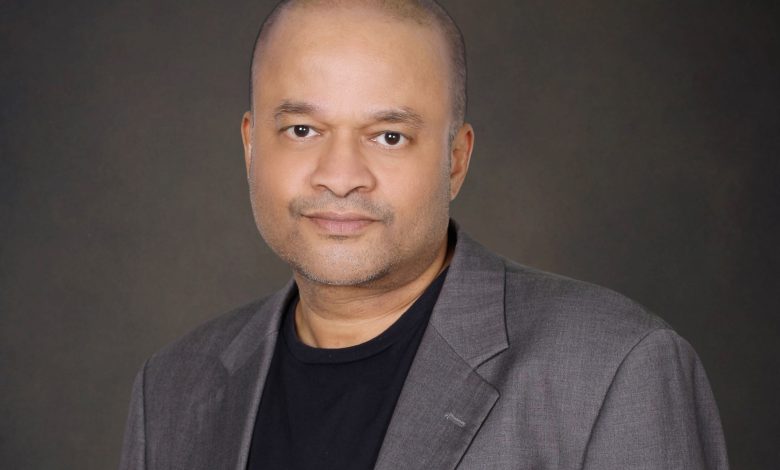
Biju Unni, Vice President at Cloud Box Technologies, outlines how AI and automation will transform job roles, hybrid work models, leadership, and workplace culture over the next decade. From skills-based career progression to secure, collaborative digital platforms, he emphasizes that organizations embracing intelligent role design, flexibility, and purpose-driven culture will gain the competitive edge.
How will AI and automation redefine job roles, productivity, and workforce structure over the next decade?
Routine, repetitive, and rules-based tasks across finance, HR, IT operations, customer support, and marketing will become more automated. This will shift job roles upward, urging professionals to focus on judgment, creativity, decision-making, and human interaction while AI will take over the execution bit.
Companies will depend less on large operational teams and more on small, high-impact squads using AI and automation. We will also see a rise in hybrid roles where people mix expertise with AI fluency, such as finance analysts who can understand AI-driven forecasts or HR leaders who use predictive analytics.
Companies that resist this shift will face with talent loss and budget inefficiencies, while those that adapt can look forward to scalable growth. The real competitive advantage will be how intelligently organizations redesign roles and build accountability around it.
What is the optimal balance between remote, hybrid, and in-office work for performance and culture?
Intentional presence is what makes the culture strong. The right balance is a purpose-driven hybrid model, where work location is based results, need for collaboration, and employee well-being. Remote work is best when we need to focus more, and have roles that depend on digital tools rather than physical interaction. In-office work is better for spontaneous activities like strategy sessions, innovation workshops, onboarding, and leadership alignment. Hybrid models work best when organizations clearly define the reason why employees come together.
Some companies invest in structured meetings where they decide to come together, strong digital communication norms, and measurable outcomes rather than hours logged. It is better for the future when companies treat flexibility as a performance enabler and not as a reward.
The perfect balance is when enterprises respects autonomy while reinforcing shared purpose. With this, there will be more engagement, lower attrition, and stronger employer branding, without sacrificing accountability or results.
Which skills will be most critical in the future workplace, and how should organizations approach continuous upskilling?
At this point, the ability to adapt is more important than expertise. Technical skills are necessary; however, the most critical skills will be the ability to interpret data, critical thinking, problem-solving, communication, and cross-functional collaboration. Moving forward, organizations will have to let go of the idea of training only once as continuous upskilling is now crucial.
Forward-thinking companies are already moving towards this skills-based models, mapping current and future skill requirements and aligning investments accordingly. Companies that treat skills as strategic assets will stay competitive while those that rely on hiring just for filling skill gaps will have a talent crisis.
How should leadership and management evolve to effectively lead distributed, multi-generational teams?
Leadership will have to move from control to clarity, trust, and results. We cannot keep micromanaging when teams become more distributed and multi-generational. Leaders will need to focus on clear goals, coaching, and accountability. Transparent communication and measurable outcomes will give visibility. Different generations bring different expectations, such as flexibility, stability, purpose, and growth. So, we cannot cling on to the one-size-fits-all management if we need to embrace inclusive communication, psychological safety, and active listening.
Strong leaders will also use digital tools confidently while maintaining human connection through regular check-ins, feedback, and recognition. In short, leadership credibility will be built by consistency, empathy, and honesty. In a distributed world, leadership presence is determined by how clearly you lead, how fairly you listen, and how well you align people around a shared mission.
What technologies will be essential to enable secure, efficient, and collaborative digital workplaces?
Future workplaces will be built on secure-by-design foundations. Flexibility becomes risky without cloud platforms, zero-trust models, identity and access management, endpoint protection, and secure data-sharing.
Collaboration will take place on AI-based platforms that help in summarizing meetings, automate workflows, and reduce digital overload. But efficiency cannot be compromised at the expense of security. Every user, device, and application must be verified regularly and continuously.
Data governance and compliance will become critical as regulations become more rigid and data spreads across cloud and on-premise environments. Organizations will need full visibility while not slowing down innovation. Ultimately, businesses that invest in integrated, secure, and scalable platforms will experience more productivity while securing data, trust, and reputation.
How can organizations improve employee experience while addressing burnout, mental health, and work-life balance?
Clearly defined roles, manageable workloads, and result-based performance help employees focus without pressure to be always present. Executives must support healthy boundaries and practice it themselves. Mental health support should be accessible without the stigma associated with it. Managers should be trained on recognizing early signs of burnout. Technology should reduce workload through smart automation and intentional collaboration rather than making it more tiring. When work is designed around human capacity rather than endless availability, it improves engagement and long-term performance.
How will performance measurement and career progression change in a skills-based, flexible work environment?
Performance measurement will now be on the basis of outcomes delivered. In flexible environments, the impact, quality of work, and skills applied matter more than visibility. Career progression will be more skills-led. Which means it will depend on the ability to learn new skills and solve problems to deliver results.
Businesses will move towards project-based evaluations, skills assessments, and continuous feedback instead of annual reviews. Managers will act as coaches, helping employees build experience portfolios rather than climb fixed ladders. This will also help internal mobility, allowing people to move across roles as needs change. The future workplace will reward learning speed and contribution, not just job titles or desk time.
What role will workplace culture and purpose play in attracting and retaining talent in a remote-first era?
In a remote-first world, culture and purpose are factors that set an organization apart. When talent can work from anywhere, people choose organizations that reflect their values and give meaning to their work. Culture will be shaped by daily behaviors, how decisions are made, how people are treated, and how trust is built.
Purpose-driven organizations stand out by clearly showing how individual work contributes to a broader goal. Remote teams need intentional culture-building through clear communication, visible leadership, and shared activities. Organizations that treat culture as a strategic asset will attract and retain engaged talent, while those that neglect it will struggle, regardless of the salary package.
How can diversity, equity, and inclusion be meaningfully embedded into future workplace models rather than treated as initiatives?
Diversity, equity, and inclusion (DEI) must be built into how organizations operate, through inclusive hiring, fair evaluation processes, and transparent pay structure. Flexible and remote work can strengthen inclusion, but only when opportunities is planned intentionally.
Also, leadership accountability is important. DEI outcomes must be measured and tied to performance. Inclusion also shows up in everyday decisions, such as who is heard, developed, and promoted. While technology can highlight bias, real progress depends on leadership commitment. When DEI is part of decision-making, it becomes sustainable and gives a competitive advantage.
How should workplace policies and benefits evolve to meet changing employee expectations and societal norms?
Workplace policies need become more flexible and reflect diverse needs and life stages. Employees now expect autonomy, fairness, and transparency rather than one-size-fits-all policies. In the near future, benefits will extend beyond pay to include mental wellbeing, flexibility, learning, and financial security.
Mental health support, parental benefits, and remote-friendly policies are becoming baseline expectations. So, enterprise policies must incorporate them along with societal shifts around inclusion and work-life integration. Most importantly, they should evolve through continuous listening and data. Organizations that treat policies as living systems will build trust, resilience, and long-term loyalty.