Stepping Beyond Comfort: How Curiosity and Resilience Shape Security Leadership

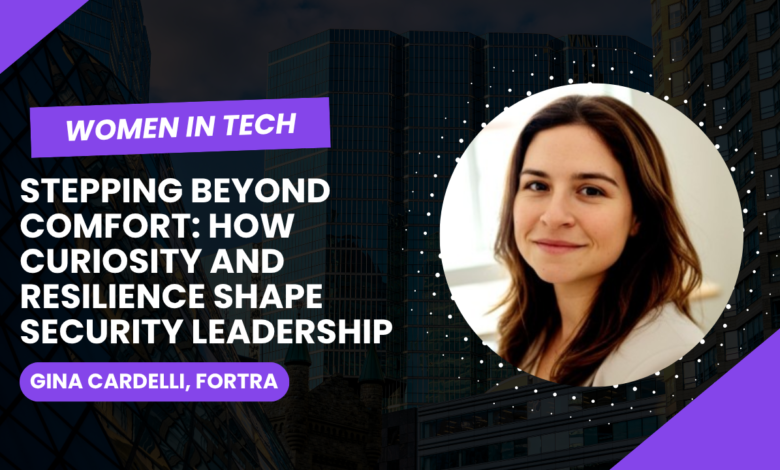
In cybersecurity, where the landscape shifts faster than most teams can adapt, leadership is often forged in moments of discomfort rather than certainty. For Gina Cardelli, Principal Security Strategist at Fortra, those moments of challenge—being pushed into unfamiliar roles, navigating self-doubt, and learning to trust her ability to grow—became the foundation of her leadership philosophy.
What defining moments or challenges most shaped your professional journey?
The moments that shaped me the most were not the easy ones. They were the times I was asked to step outside my comfort zone, whether it was a new role, a different responsibility, or an unfamiliar problem space. These experiences were stressful, often intimidating, but they are the experiences that pushed me to grow faster than comfort ever could. They taught me how to be resilient, asked me to be curious, and forced me to understand the importance of trusting that I can learn even when I am unsure. Being pushed to expand my horizons ultimately shaped how I lead today, encouraging others to become comfortable with being uncomfortable.
What barriers do women still face in leadership today that aren’t talked about enough?
In many industries, especially in tech, women still face skepticism about their technical capabilities or leadership presence. It’s getting better, but it is still there, subtle rather than overt now-a-days but no less impactful.
However, one barrier that deserves more attention is internal. I believe we don’t talk enough about self-imposed barriers. Women are statistically more likely to struggle with impostor syndrome. It affects many high-performing women, often leading them to underestimate their abilities, causing them to take a back seat, second-guess their voice, or even delay stepping into leadership roles. We need to empower women to recognize this barrier and teach them to push past that internal narrative.
How have you built credibility and influence in environments where women are underrepresented?
Deep subject matter expertise creates a strong foundation, but credibility is reinforced through reliability and consistency. Showing up prepared, delivering thoughtful insights, following through on the commitments you make matters a lot. I’ve also leaned into my strengths – curiosity, creative problem-solving, and bringing a different perspective. This allows me to offer ideas that help reframe challenges and develop solutions and in turn, become known not just for knowledge, but for strategic thinking.
How is technology—especially AI and automation—changing leadership expectations in your industry?
AI and automation are beginning to become a staple in workflows. I think expectations now include understanding AI, benefits and limitations, ensuring responsible use, and helping your teams adapt to new ways of working. I also feel that it is important for leaders to reinforce that technology augments human expertise instead of replacing it. Ensuring that you can build trust in the systems and within the teams using the systems has become a core leadership responsibility.
What skills or mindsets will be most critical for the next generation of women leaders?
Being adaptable, courageous, and authentic. Women entering leadership roles will need confidence and a growth mindset in order to view challenges as opportunities and to expand their capabilities. Don’t be afraid to be unique and embrace your authentic self, rather than conforming to the standard narrative. Leaders who cultivate curiosity, emotional intelligence, and the courage to use their voice will help redefine leadership in general.
What role have mentorship and sponsorship played in your career, and how do you support others today?
I owe my start in my career to mentors and sponsors who believed in me. I wouldn’t be where I am today if someone didn’t take a chance on me – seeing potential I didn’t even recognize in myself at the time. That experience shaped me, left a lasting impression, and I am extremely grateful for it.
Because of that experience, I try to pay it forward and be that person for others. I keep an open-door policy where anyone can reach out to talk through ideas, career decisions, or growth opportunities. Sometimes mentorship is about advice, and sometimes it’s just about reassurance and encouragement, both are important.
How can organizations move beyond policies to create cultures where women genuinely thrive?
Women tend to thrive in cultures where they don’t feel like exceptions. Organizations create thriving cultures when inclusion becomes second nature in leadership instead of an HR initiative. Leadership at every level must be accountable for developing diverse talent, amplifying voices on their teams, and consistent reinforcement that diverse perspectives are valued. Belonging shouldn’t be a mandate – it has to be cultivated.
What advice would you give young women considering careers in IT, security, or leadership roles?
Focus on 4 things:
- Build a strong foundation – technical depth creates confidence and credibility.
- Challenge self-doubt – Take calculated risks and trust that you can learn your way through unfamiliar territory, this allows you to learn to adapt.
- Develop visibility – this one is hard as it requires you to speak up, share your ideas and engage in high-impact work, but push through it if it’s uncomfortable for you – believe in yourself, your abilities and what you have to contribute.
- Seek mentors – they can help guide you and they can also open doors.