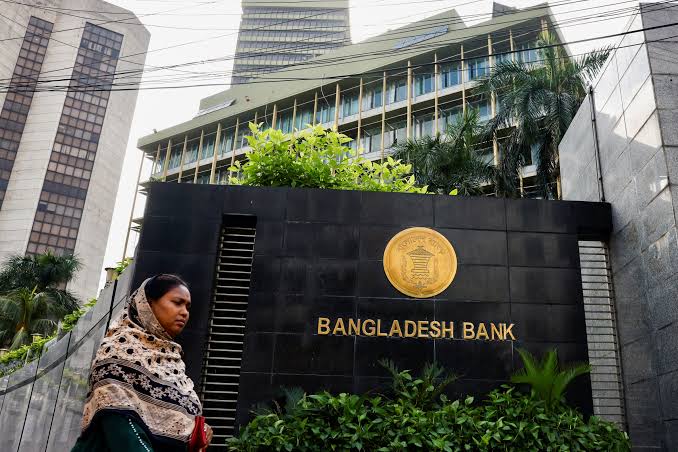
Bangladesh Bank has introduced a new regulatory framework that will allow international payment service providers similar to PayPal and Payoneer to operate in the country, a move aimed at simplifying cross-border digital transactions for freelancers, exporters and businesses.
Under the new framework, licensed foreign payment service providers will be permitted to facilitate inbound and outbound cross-border payments under the oversight of Bangladesh Bank. The initiative is expected to improve access to global digital payment networks, making it easier for individuals and businesses to send and receive international payments while strengthening the country’s digital financial ecosystem.
The policy marks a significant milestone in the modernisation of Bangladesh’s payment infrastructure as the country continues to expand its digital economy and support its growing community of online service exporters.
As digital trade, remote work and cross-border commerce continue to grow, efficient international payment systems have become increasingly important. Freelancers, software developers, digital agencies, exporters and e-commerce businesses rely on secure, affordable and efficient payment channels to receive funds from overseas clients. Access to globally recognised payment platforms can help reduce transaction costs, improve cash flow and enable local businesses to participate more effectively in international markets.
The introduction of the new framework also reflects Bangladesh’s broader efforts to modernise its financial sector through digital innovation. By allowing regulated international payment providers to operate within the country, Bangladesh Bank aims to encourage greater competition, improve service quality and expand financial access for businesses and consumers. Enhanced digital payment infrastructure is also expected to support faster settlement, greater transparency and stronger compliance with international financial standards.
The move is likely to be particularly beneficial for Bangladesh’s large freelance and IT outsourcing community, where seamless access to international payment platforms has become increasingly important. Simplified cross-border payment mechanisms can reduce delays and transaction costs while enabling professionals to receive payments from overseas clients more efficiently.
Export-oriented businesses and digital service providers are also expected to benefit from more streamlined international payment processes, supporting Bangladesh’s ambitions to expand technology exports and strengthen its position in the global digital services market.
The new framework aligns with a broader global trend of central banks updating payment regulations to accommodate the rapid growth of digital commerce and financial technology services. Around the world, regulators are seeking to balance innovation with consumer protection, financial stability and anti-money laundering requirements while enabling trusted global payment providers to operate within regulated environments.
By opening its market to international cross-border payment providers, Bangladesh is taking another step towards strengthening its digital financial infrastructure and creating new opportunities for freelancers, exporters and businesses to participate more effectively in the global digital economy.