UAE Businesses Advance AI Adoption While Prioritising Digital Sovereignty, Kyndryl Report Finds

UAE organisations are advancing their artificial intelligence strategies while placing greater emphasis on digital sovereignty, operational control and technology resilience, according to the UAE findings of Kyndryl’s third annual Readiness Report.
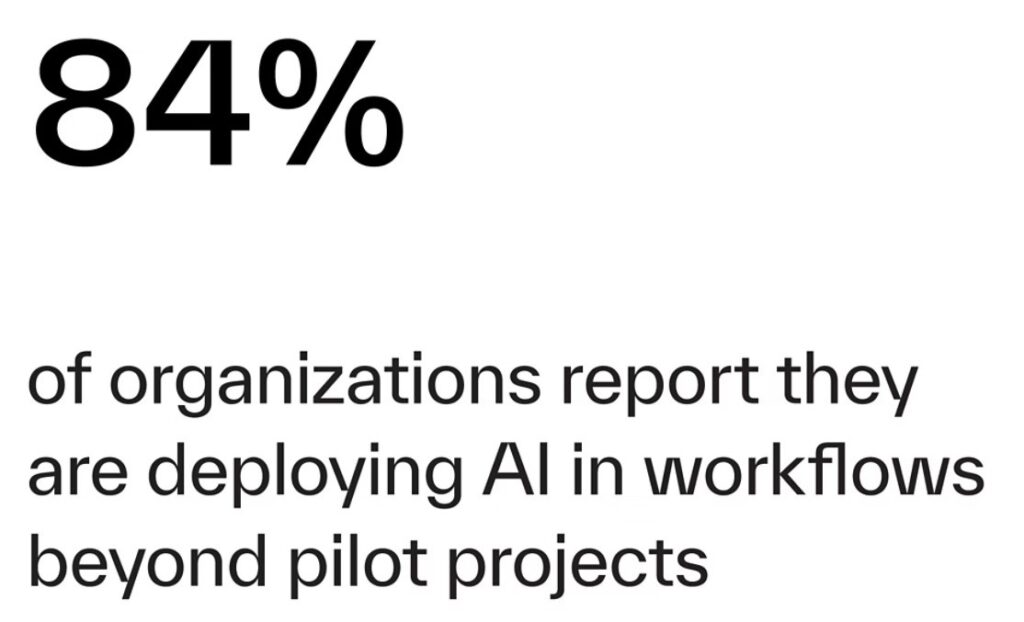
The research found that 73% of UAE business leaders say their organisations are deploying AI in workflows beyond pilot projects. More than half (52%) also reported significantly changing their AI strategies over the past year, compared with 48% of respondents globally.
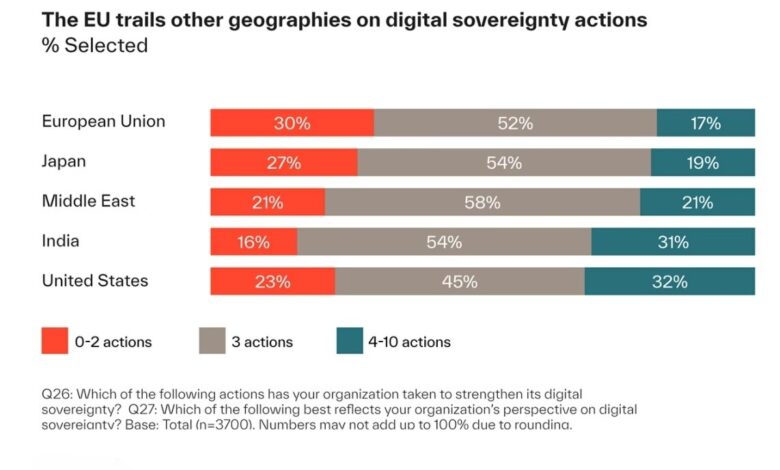
Digital sovereignty is emerging as an important consideration in these decisions. Nearly eight in ten UAE business leaders (78%) believe sovereignty requirements strengthen security by increasing control over critical systems, compared with 69% globally.
The study also found that 72% of UAE respondents consider full operational control over their technology worth paying at least 10% extra for, compared with 68% globally. However, this preference for greater control does not necessarily translate into a move away from international technology providers. Some 73% said dependence on foreign providers is an acceptable risk that can be managed through contracts and safeguards, compared with 61% globally.
“UAE business leaders are advancing AI adoption, and they’re doing it with a clear view of what they want to keep control of,” said Maged Wassim, Vice President and Managing Director, Kyndryl MEA. “This year’s findings suggest control and global partnership aren’t in competition: leaders want the oversight to protect critical systems and the reach of a global ecosystem. The opportunity now is scaling AI, and focusing on people, technology and governance can help organizations do that with confidence.”
The report draws on responses from 3,700 senior business leaders across 21 countries, including 100 respondents in the UAE.
AI adoption moves beyond pilots, but scaling remains a challenge
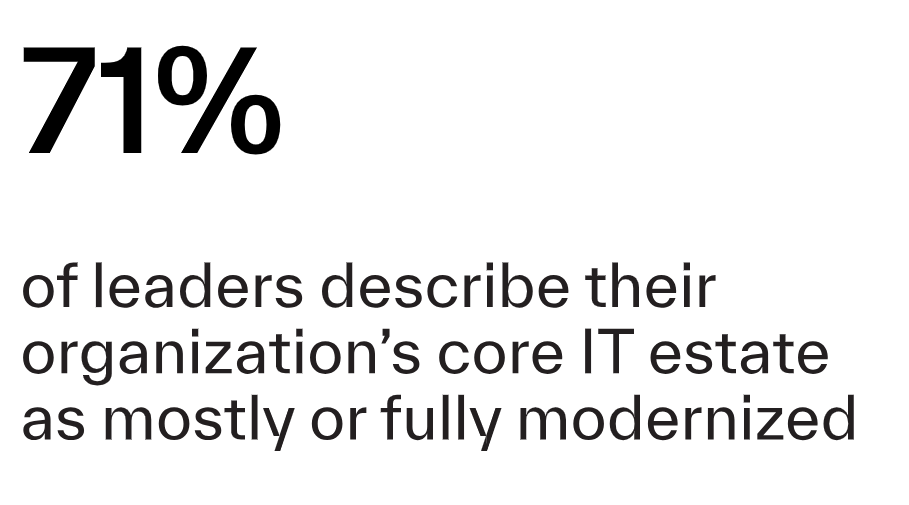
The survey indicates that UAE organisations have relatively modern technology foundations. Around 73% of respondents described their core IT environments as mostly or fully modernised, compared with 71% globally. Only 1% characterised their technology estate as mostly legacy, against 5% globally.
Despite progress in AI deployment, scaling remains uneven. While 73% said their organisations were using AI in workflows beyond pilots, 51% still described their AI efforts as being in the experimentation phase. In addition, 64% said they had more technology pilot projects than they could realistically scale.
The findings suggest that organisations are increasingly focused on moving successful AI initiatives into wider business operations, while reassessing strategies and priorities as they gain experience.
Sovereignty measures extend beyond data residency
UAE organisations are also taking practical steps to strengthen control over their technology environments and sensitive information. The report found that 39% had reviewed who can access sensitive data, while 37% had updated data governance policies to address residency requirements. Another 34% had assessed the risks associated with vendor lock-in.
These measures indicate that digital sovereignty considerations extend beyond the physical location of data. Access controls, governance policies and technology dependencies are also becoming part of organisations’ approach to managing critical systems. The findings suggest that businesses are seeking greater oversight while retaining the flexibility to work with international technology providers.
Resilience remains an area for attention
UAE business leaders reported lower concern about certain external business risks than their global counterparts. For example, 39% expressed concern about cyberattacks, compared with 58% globally. However, lower concern does not necessarily indicate stronger preparedness. The report found that average complete readiness across external risks stood at 25% in the UAE, broadly in line with the global figure of 24%.
The findings highlight the need for organisations to continue strengthening resilience as AI becomes more deeply integrated into business operations and technology dependencies evolve.