The Double-Edged Sword: Navigating GenAI and Cybersecurity in the Middle East

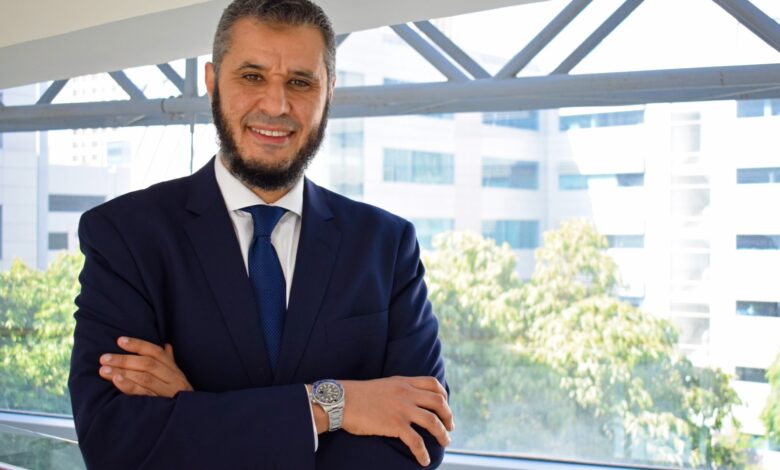
Written by Ashraf Hassan, General Manager at Lenovo ISG Gulf
The Middle East is undergoing one of the most ambitious digital transformations on the planet. As organizations from Riyadh to Dubai embrace an AI-first future, they are unlocking unprecedented levels of innovation and efficiency. Yet, this rapid progress brings a critical challenge into sharp focus. According to IDC research from the Lenovo CIO Playbook 2026, “Reducing business risk & cyber threats” is now the #1 business priority for organizations in the Middle East. This concern is well-founded, as a powerful new catalyst—Generative AI—has emerged, acting as both the most promising new shield for defenders and the most potent new weapon for their adversaries.
The positive impact of AI on security is undeniable. For years, cybersecurity teams have been outnumbered, fighting an asymmetric battle against a deluge of alerts and increasingly sophisticated threats. Generative AI is finally levelling the playing field. It empowers security analysts by automating threat detection, analysing billions of data points in real-time to identify anomalies, and even predicting potential attack vectors before they are exploited. The success of this approach is already evident in the region, with the CIO Playbook highlighting that Cybersecurity is the #2 area where Middle Eastern companies have seen positive returns from their AI investments, and it stands as the #1 planned use case for Agentic AI. This data confirms that organizations are actively and successfully using AI as a defensive force multiplier.
However, this same power is being mirrored by those with malicious intent. The very capabilities that make GenAI a formidable defender also make it a dangerous offensive tool. We are seeing threat actors use GenAI to craft hyper-realistic phishing emails at a scale and quality that is difficult to distinguish from legitimate communication. They can develop polymorphic malware that constantly rewrites its own code to evade traditional signature-based detection. This creates a challenging environment where the line between opportunity and threat is razor-thin, and it amplifies concerns around what the Playbook identifies as a top regional concern: Shadow AI risks, where ungoverned AI use can open new, unmonitored backdoors into an organization.
So, how do leaders in the Middle East navigate this double-edged sword? The answer lies not in slowing AI adoption, but in fundamentally rethinking our approach to security with a focus on robust governance and trust. The battle ahead is not just about technology; it’s about strategy.
This begins with a secure-by-design philosophy that permeates the entire technology stack. It means demanding a transparent and secure supply chain, a principle behind Lenovo’s Trusted Supplier Program, which ensures the integrity of every component from factory to data centre. It also means building on a foundation of secure infrastructure—whether on-premises, hybrid, or at the edge—that gives organizations the control they need to protect their data and maintain sovereignty.
Furthermore, as AI becomes more autonomous, the focus must shift to creating frameworks for responsible AI. This involves deploying solutions that are not only powerful but also transparent, fair, and auditable. With “Poor knowledge of Responsible AI” ranking as a key trust concern in the region, partnering with experts to build these frameworks is no longer a choice, but a necessity for sustainable growth.
The Generative AI revolution is here, and it has irrevocably changed the cybersecurity landscape. For the Middle East, a region defined by its bold vision for the future, this presents a unique opportunity. By prioritizing secure infrastructure, embracing rigorous governance, and fostering a culture of trust, the region’s leaders can mitigate the risks of GenAI while harnessing its full defensive power. In doing so, they can transform the double-edged sword of AI into a powerful shield, securing their digital future and setting a global benchmark for safe and responsible innovation.