Trustworthy AI Practices Make Organisations 15 Times More Likely to Achieve Strong ROI, SAS Study Finds


Organisations that implement trustworthy artificial intelligence (AI) practices are 15 times more likely to report strong returns on investment (ROI) from AI projects, according to a new study by SAS, with research insights from IDC.
The second annual Data and AI Impact Report: The New Economics of Trust finds that organisations with robust governance, data quality and auditability practices are achieving stronger financial returns from AI deployments, reporting at least twice the ROI of their peers.
The findings also highlight a persistent challenge to AI adoption: employees are more likely to override AI recommendations when systems cannot explain how they reached a decision. As organisations move towards increasingly autonomous AI, explainability, accountability and reliable data are becoming central to building trust and achieving business value.
“When AI works, it’s incredibly impactful,” said Bryan Harris, CTO at SAS. “However, it is well documented that state-of-the-art agents can have error rates that exceed 25% on complex tasks – which is unacceptable in high-stakes decision-making. In order to achieve accuracy and repeatability, organizations must embed domain expertise into agentic workflows, while keeping people at the center of governance and oversight. Organizations that do this successfully will close the trust gap and gain a competitive advantage in the market with AI.”
Chris Marshall, Vice President at IDC, said: “As AI becomes more autonomous, organizations face a new challenge: maintaining confidence in systems people don’t fully understand. Our findings show that stronger oversight, explainability, accountability and data foundations are becoming prerequisites for scaling AI successfully.”
UAE makes gains in AI trustworthiness
The UAE recorded one of the study’s fastest improvements in AI trustworthiness, with its Trustworthiness Index rising 30.2 points to 65.7 in 2026, placing it above the global benchmark. The report also highlights explainability as a key concern for UAE organisations, with 41.1% of respondents identifying insufficient explanations as the leading reason employees override AI recommendations.
“This progress reflects how quickly organizations in the UAE have moved from AI ambition to adoption; The UAE AI Strategy and the Dubai AI Roadmap pushed governance deployment into government and the private sector at an unprecedented pace. This capability is in response to a top-down deployment mandate, which explains why so much of it arrived at once,” said Michel Ghorayeb, Managing Director, SAS UAE.
Explainability remains critical to AI adoption
The study found that employees are increasingly reluctant to rely on AI systems when their outputs are incorrect or the reasoning behind decisions is unclear. As AI systems become more autonomous, the ability to explain their recommendations becomes increasingly important.
When employees override AI-generated recommendations or make manual corrections, organisations risk losing time, productivity and potential business value. The report identifies stronger data foundations and greater transparency as important factors in addressing this challenge.
Key findings include:
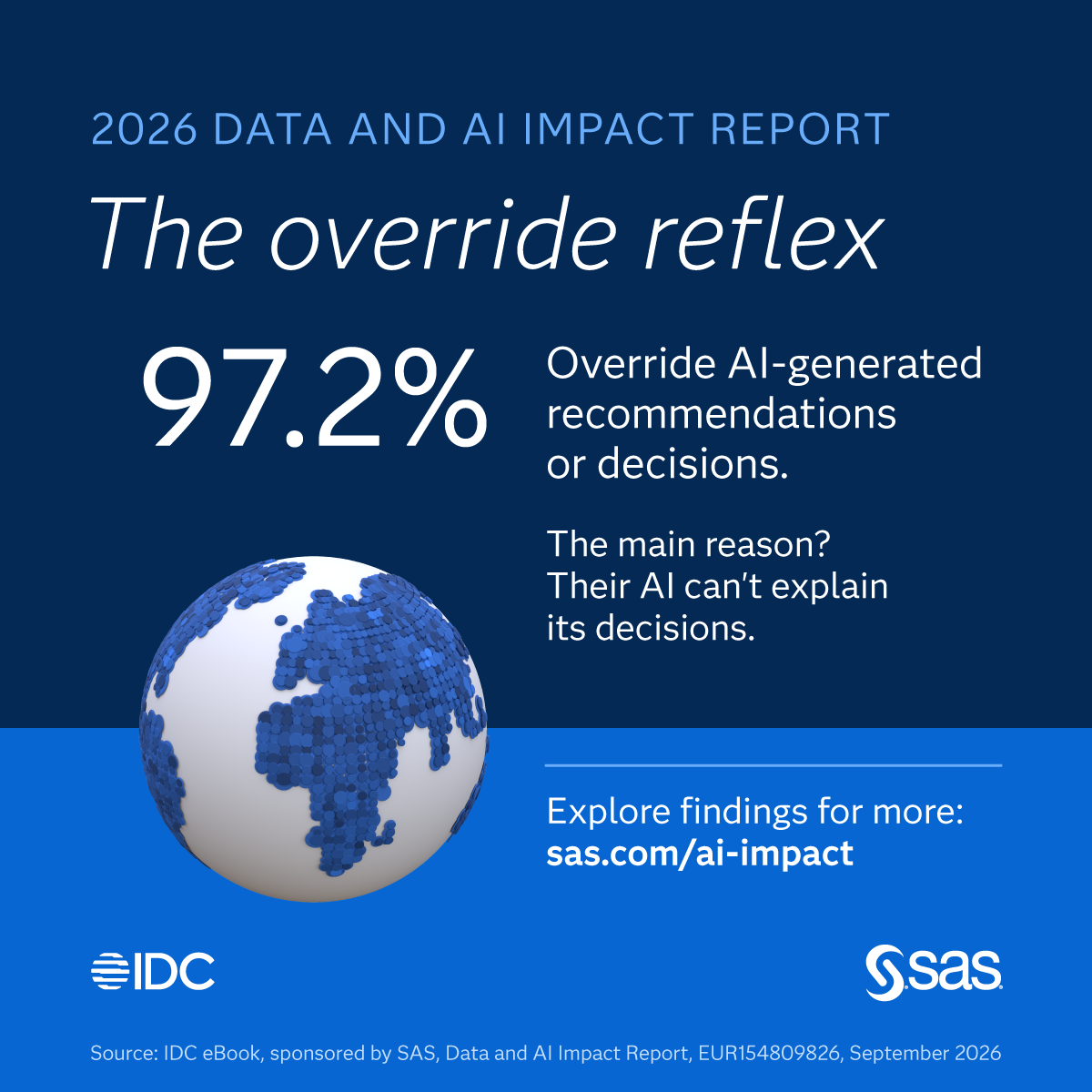
- 97.2% of users override AI-generated recommendations in at least some cases.
- The leading reason employees override AI, regardless of whether they consider its output correct, is the system’s inability to explain its decision.
- Trust falls from 76% for generative AI to 66% for agentic AI, reflecting concerns as systems become more autonomous.
Trustworthy AI practices linked to stronger business returns
The report identifies a substantial difference in reported ROI between organisations that implement trustworthy AI practices and those that do not. Its findings suggest that how AI is governed and managed can play an important role in determining the value organisations achieve.
Key findings include:
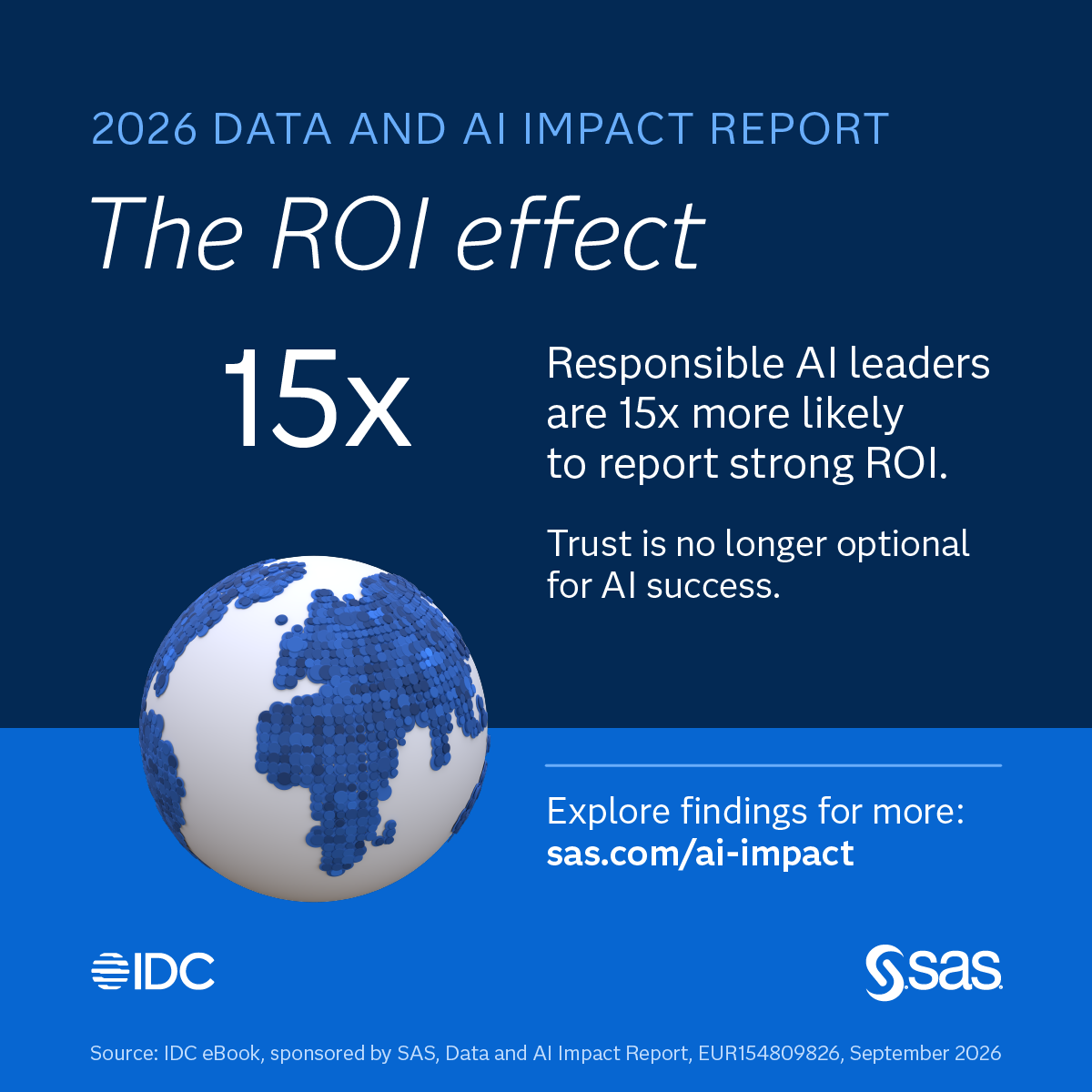
- Organisations investing in trustworthy AI measures are 15 times more likely to report strong or high ROI from AI projects, at 62% compared with 4%.
- Organisations with the strongest trustworthy AI practices achieve 1.85 times greater gains across 13 business outcomes, including revenue growth, cost savings and customer experience.
- 85% of AI leaders with trustworthy practices plan to increase investment in this area by more than 10% this year.
Data infrastructure remains a barrier
Despite growing investment in AI, many organisations continue to rely on underdeveloped or outdated data infrastructure, limiting their ability to govern AI systems effectively and achieve consistent results.
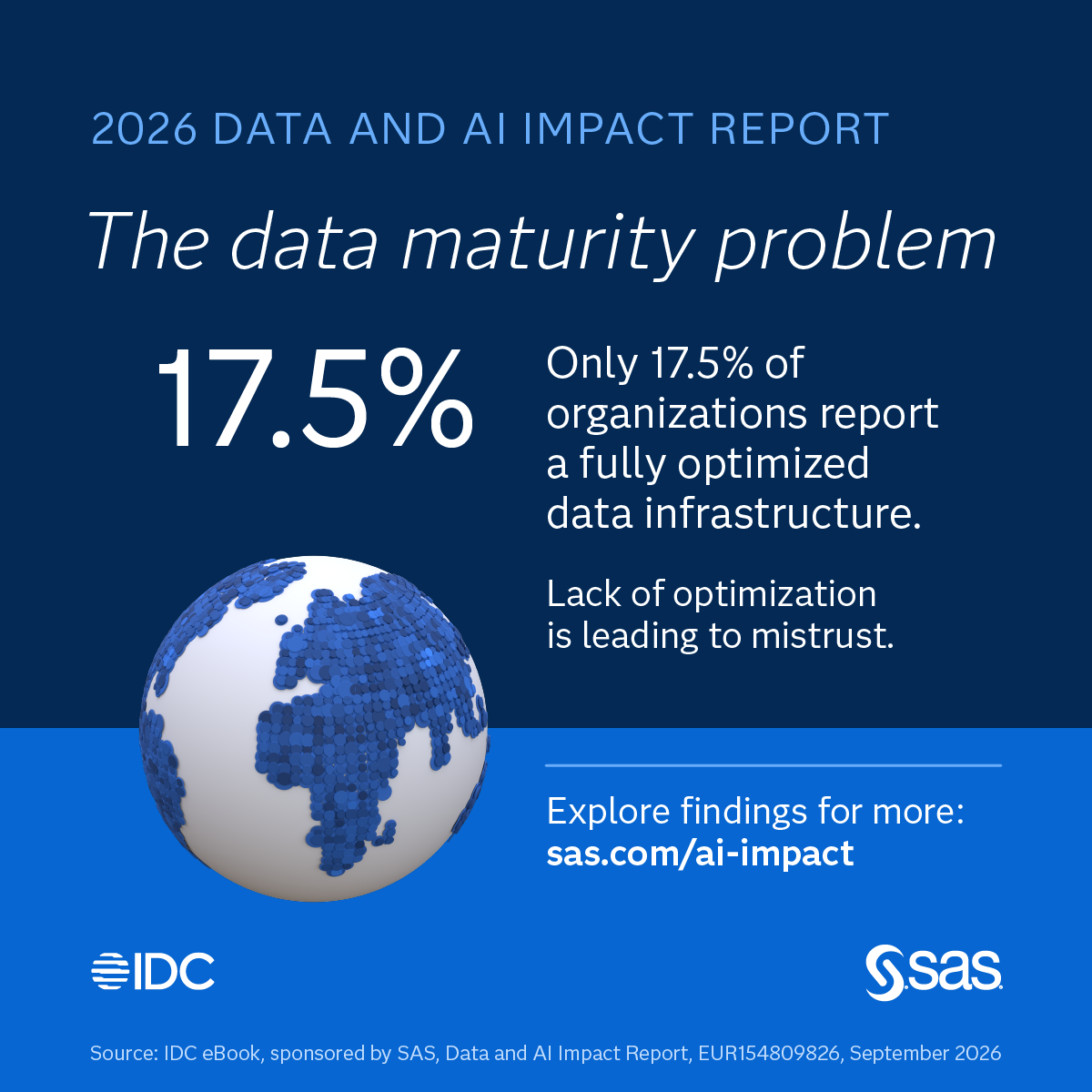
According to the report, only 17.5% of enterprises have fully optimised data infrastructure mature enough to meet the demands of agentic AI. Organisations with optimised data foundations are four times more likely to expect strong ROI from AI projects and six times more likely to mandate data quality and explainability controls.
In the UAE, data quality and governance emerged as the leading reliability priority, rising to 62.2% in 2026. However, only 13.5% of organisations mandate data quality processes for every AI project, highlighting a gap between recognising the importance of data governance and implementing it consistently.
Industry findings highlight different approaches
The study also examined how organisations in banking, insurance, life sciences and the public sector are approaching trustworthy AI.
Among the findings:
- Banking: 85% of AI leader banks have established governance frameworks, compared with 29% of laggards, highlighting the role of governance in their AI strategies.
- Public sector: 41% of leaders plan to increase trustworthy AI investment by more than 20% in the year ahead, matching the highest investment ambitions across the industries surveyed.
- Life sciences: 23% of organisations have scaled AI across their companies, the highest proportion among the industries examined.
About the study
The findings are based on a global survey of 2,699 decision-makers with knowledge of or influence over their organisations’ data and AI initiatives. The research covered 28 countries and four focus industries: banking, insurance, life sciences and the public sector.
Organisations were assessed against five dimensions of trustworthy AI, with scores calculated out of 100. Those achieving an average score of 80 or higher were classified as trustworthy AI leaders.
The five assessment criteria were:
- Data quality and governance.
- Model governance and oversight.
- Explainability and fairness.
- Responsible AI policy.
- Audit and accountability.
The full report is available here.
What makes AI trustworthy?
Trustworthy AI refers to artificial intelligence designed to be reliable, fair, secure and compliant with applicable regulations, while providing clear explanations of how it reaches decisions.
It also requires defined accountability for incorrect or missing outputs, alongside governance processes that establish and demonstrate compliance with established rules.