NYU Abu Dhabi Develops Biodegradable 3D-Printed Stent to Improve Gastric Leak Treatment

Researchers at NYU Abu Dhabi have developed a biodegradable, 3D-printed gastric stent designed to improve the treatment of gastric leaks, a potentially serious complication that can occur following bariatric surgery.
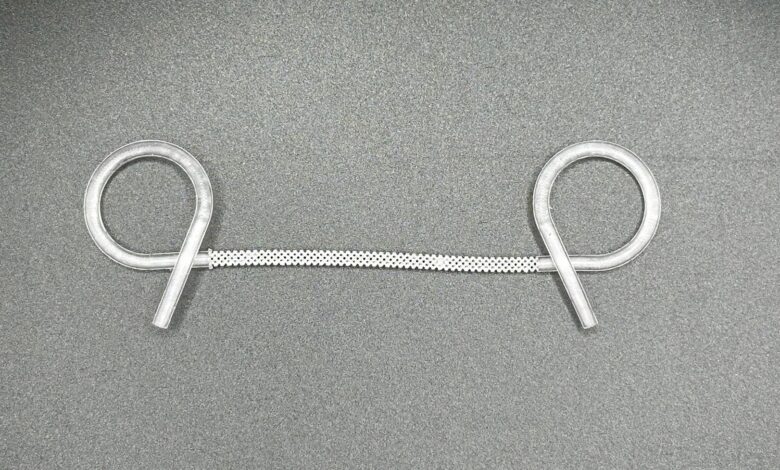
Called BRIDGE (Biodegradable aRchitected Internal DrainaGE), the new stent combines a structured internal lattice with biodegradable materials. According to the researchers, the design can more than double drainage performance while potentially allowing the device to break down naturally after treatment, eliminating the need for a separate procedure to remove it.
The findings have been published in the journal Device and build on the researchers’ earlier work on a flower-inspired gastric stent. Rather than redesigning the external shape of the device, the team focused on its internal architecture, using 3D printing to improve flexibility, resistance to kinking and fluid drainage.
Gastric leaks occur in a relatively small proportion of bariatric procedures but can result in infection, extended hospital stays and additional medical interventions. Existing drainage stents used in the stomach were originally developed for other applications, including bile-duct procedures, and generally need to be removed after the leak has healed.
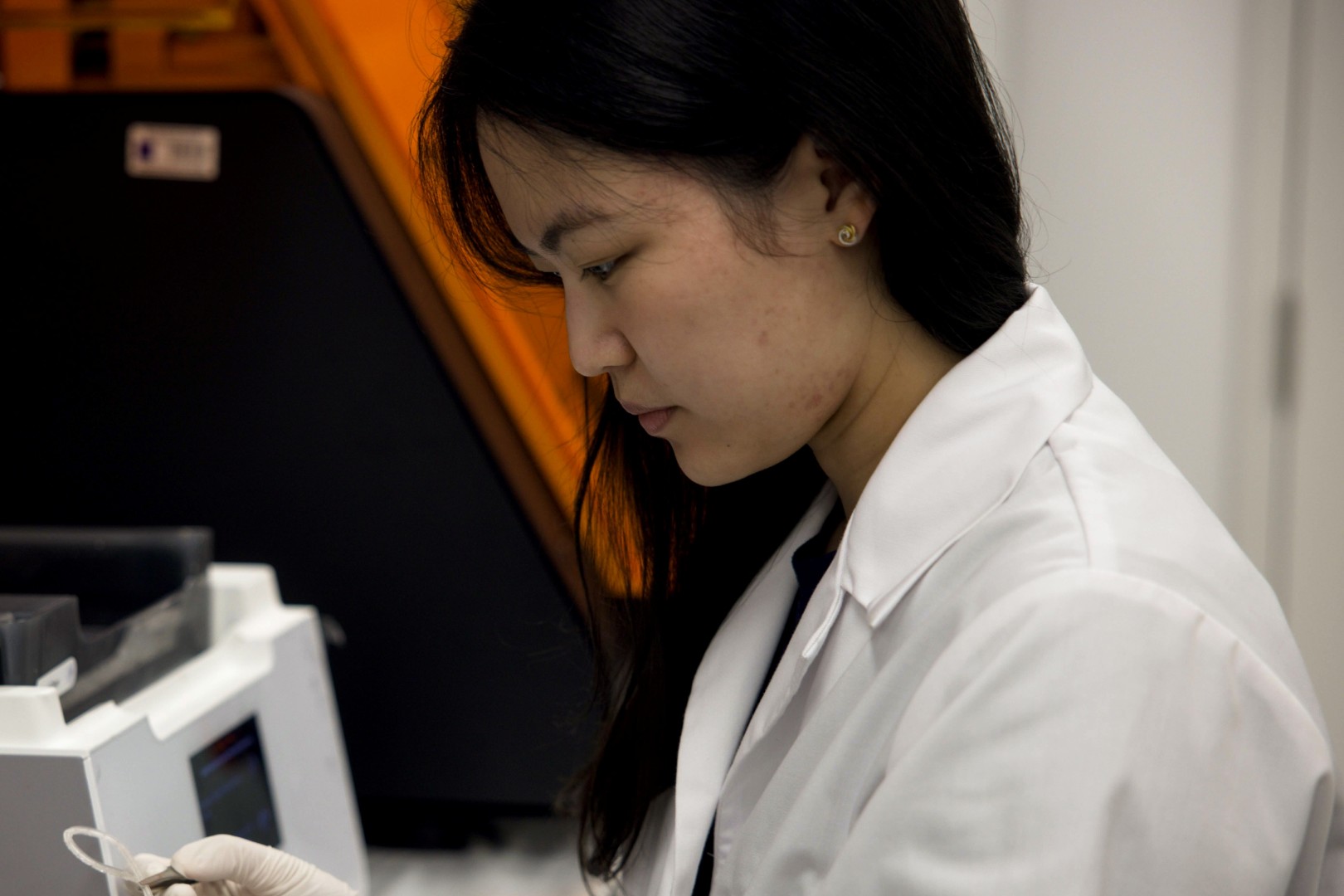
The researchers used advanced 3D printing to create a structured lattice inside the stent. Laboratory testing found that the new design achieved up to twice the drainage performance of conventional stents and could withstand bends more than seven times tighter without kinking.
Maintaining the drainage pathway when a stent bends is particularly important because anatomical conditions can vary considerably between patients. A device that kinks can restrict fluid flow and reduce its effectiveness.
Parima Phowarasoontorn, Research Assistant in the Ramadi Lab at NYU Abu Dhabi and first author of the study, said: “Medical devices are often adapted from other applications rather than designed for the specific clinical challenge they are intended to address. By combining advanced 3D printing with biodegradable materials, we created a stent that improves drainage while reducing the burden of treatment for patients.”
The biodegradable component is designed to address another limitation of conventional stents: removal. Instead of requiring patients to undergo a second procedure once healing is complete, the BRIDGE device is designed to gradually break down after its therapeutic role has been fulfilled. However, the researchers stress that further testing will be required to establish its safety, degradation behaviour and effectiveness in patients.
Khalil Ramadi, Assistant Professor of Bioengineering at NYU Abu Dhabi and Global Network Assistant Professor of Chemical and Biomolecular Engineering at the NYU Tandon School of Engineering, said: “This work demonstrates how re-engineering of medical technologies with advanced manufacturing can fundamentally improve their performance.
Ramadi, who is also the senior author of the study, added, “By redesigning the internal architecture of the stent and introducing biodegradable materials, we have tried to tackle key limitations of current devices while moving toward treatments that we hope are more effective for patients.”
The researchers say the combination of architected internal structures and biodegradable materials could have applications beyond gastric stents. Similar engineering principles could potentially be used in other minimally invasive drainage devices where flexibility, controlled fluid flow and temporary implantation are important.
The technology remains at the research stage, however. Additional preclinical and clinical studies will be required before BRIDGE can be evaluated for use in patients. The work highlights the growing role of advanced manufacturing in medical-device development, with 3D printing allowing researchers to engineer structures at a level of complexity that is difficult to achieve using conventional manufacturing techniques.