Google Turns AI Studio Into Instant Android App Builder, Cutting Development Time to Minutes

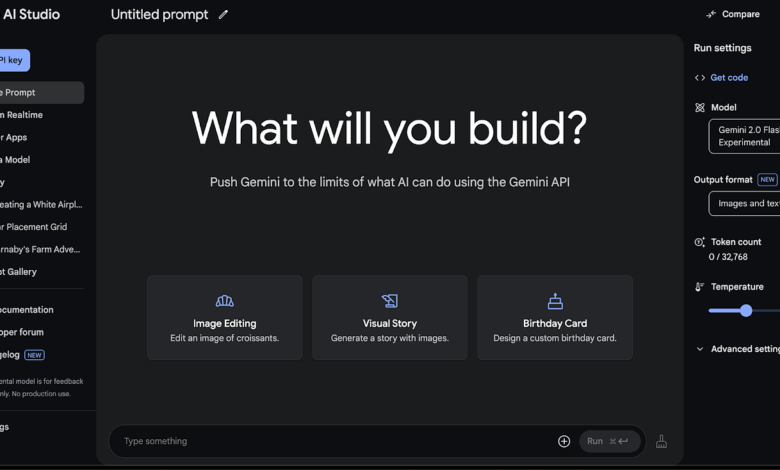
Google has expanded its AI Studio platform to allow users to create full native Android apps in minutes using natural language prompts, marking a major push to simplify mobile app development and broaden access to non-developers.
The new capability was announced during Google I/O 2026 and effectively turns AI Studio into a browser-based app builder where users can describe what they want, and the system generates a working Android application.
According to Google, the tool supports modern Android development standards, with apps built using Kotlin and Jetpack Compose, and can integrate device features such as GPS, Bluetooth, NFC, and other hardware sensors.
Instead of setting up Android Studio, SDKs, and local development environments, users can now generate apps directly in a web browser.
The workflow is designed to be simple: users enter a prompt describing the app, AI Studio generates the code, and an embedded Android Emulator lets them preview and interact with the app instantly.
Once satisfied, users can install the app on a physical Android device via USB using Android Debug Bridge (ADB), or export the project for further development in Android Studio.
For developers with a Google Play account, apps can also be pushed into internal testing tracks, allowing iterative development and testing on real devices.
Google says the feature is aimed at a wide audience — from experienced developers looking to rapidly prototype ideas to first-time creators who have no coding background.
The company positions AI Studio as a way to reduce the time between concept and functional prototype from weeks to minutes, while still retaining access to professional-grade Android tooling for advanced customization.
The update is part of Google’s wider effort to embed its Gemini AI models into the software development lifecycle, alongside other announcements at I/O 2026 that focus on “agentic” AI systems capable of building and managing software tasks with minimal human input.
Google has also been expanding developer tooling around Android, including new command-line interfaces and AI agent integrations designed to work with external coding systems as well as its own ecosystem.
For now, Google says the generated apps are primarily intended for personal use cases such as utilities, simple tools, and experimental AI-driven experiences. Full-scale public app publishing and advanced production workflows remain on the roadmap.
Still, the move signals a clear shift: Android app development is increasingly being reshaped by AI, lowering the barrier for entry and potentially expanding the number of creators building for the platform.