Logitech Sees Saudi Arabia Moving From AI Experimentation to Enterprise-Scale Deployment

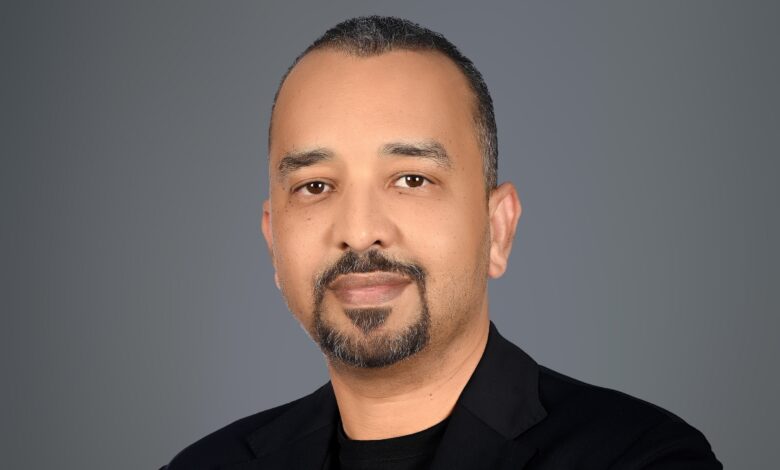
Murad Ali, Head of Middle East & Central Asia, Logitech for Business, on the rise of AI-powered workplaces, meeting equity and Saudi Arabia’s growing role as a regional technology hub
What are you showcasing at LEAP 2026 that is genuinely new, and what problem does it solve for customers?
This year at LEAP, Logitech will showcase how our AI-powered collaboration tools can help elevate meeting experiences. Visitors will also get to experience a modern workplace with our portfolio of solutions designed to make meetings natural and equitable no matter where the participants are working from.
We are officially launching the Rally AI Camera Pro at the event, our most advanced camera that transforms meetings in large spaces with a dual-lens system and AI-powered features. Also launching at the event is the Rally AI Camera that comes with intelligent focusing and framing capabilities that can seamlessly blend into any meeting room. Our current lineup of workspace solutions will also be on display, including the Zone Wireless 2 ES headsets, Signature Solar Slim+ K980 Keyboard, MX Master 4, Logitech Spot and the Rally Board 65.
Logitech has identified meeting equity as a major workplace trend for 2026, with organisations increasingly looking to ensure every participant can see, hear and contribute effectively.
Saudi Arabia is investing heavily in AI and digital transformation. What are you seeing from Saudi customers that differs from demand in other markets, and how is this influencing your product strategy?
The transition from experimental phase to deployment by the customers in Saudi is happening rapidly. The conversations have been shifting away from what technology can do for specific devices or applications towards technology’s role in driving transformative change across government, enterprises and emerging industries.
This then brings an increasing requirement for scalable, deployable and manageable technologies that would be able to accommodate AI workflows. From Logitech’s point of view, it emphasizes the significance of developing technologies as a solution within the ecosystem rather than a piece of hardware. The products should be seamless with various collaboration platforms and at the same time give flexibility to IT teams in managing devices in complex environments.
Saudi Arabia’s growing role as an AI and digital transformation hub also makes the Kingdom an important market for understanding how collaboration technology will evolve as AI becomes embedded in everyday work.
What is the biggest technology challenge your customers in the Middle East are asking you to solve right now?
The primary challenge lies in ensuring that collaboration technology consistently works in a more distributed and varied workforce. Companies have spent significant resources on meeting tools, yet there are large differences in the quality of the meeting experience depending on where they are, be it a meeting room, an office, or a personal workspace.
This means that customers are seeking ease of use, consistency, and management. They seek to ensure that their employees can simply enter the room and start a meeting without having to think about the technology, and that IT can have visibility and control over all their devices. The use of AI brings one more layer to this problem, as companies are expecting technology not only to connect people, but to help in making the meeting more productive. It is one of the key reasons why we see meeting equity, intelligent meeting spaces and better personal workspaces becoming increasingly important across the region.
LEAP brings together global technology companies, startups, investors and government organisations. What partnership or ecosystem opportunities are you looking for at the event that could accelerate your growth in Saudi Arabia or the wider region?
Partnerships that combine collaboration technologies, AI, workplace management and local insights are what we are interested in. No single company can solve the future of work alone, which is why Logitech’s strategy focuses on creating an ecosystem where our hardware, software, and collaboration platforms can coexist perfectly.
Saudi Arabia stands out by its massive transformation programs and a huge number of organizations working on building digital infrastructures. LEAP brings together more than 1,800 global technology brands, 600 startups and 1,900 investors, all that makes a great chance for building ties with tech firms, systems integrators, government agencies, and customers who build the next generation of workplaces. The Kingdom is a key factor in our growth, and LEAP gives us a chance to deepen these relationships while identifying new partners that can help customers deploy and manage collaborative workplaces at scale.
How important is Saudi Arabia to your regional growth strategy, and are you using the Kingdom as a launchpad for expansion across the wider GCC, Middle East and Africa?
Saudi Arabia is strategically important to Logitech because of the scale and pace of its digital transformation. In the coming years, the Kingdom is going to be a country in which technology is deployed at a large scale, thereby helping in gaining customer learning and using it across the region.
We see Saudi Arabia as part of a broader Middle East and Africa growth story rather than as an isolated market. Logitech already has a presence in the entire region via channel partners, distributors and resellers. Our objective is to create a regional ecosystem that will cater to organizations regardless of their stage of digital transformation.
Looking ahead three years, which technology do you believe will have the biggest impact on your customers in the Middle East, and what are businesses still underestimating today?
AI will have the biggest impact, but the real difference will happen with how deeply it is integrated into daily operations. We see AI becoming an integral part of the entire workplace environment, from meeting rooms and personal devices to collaboration tools and workflows.
What companies may be underestimating is the significance of the physical interface between people and AI. For Logitech, cameras, microphones, headsets, keyboards and mice will act as the eyes, ears and hands through which people interact with AI. This means the performance of these devices will influence how effectively AI can be used by employees.
The other thing that organizations need to consider when planning their AI initiatives is the human side of adoption. As AI will affect the way of communication and collaboration in the workplace, companies will have to invest not only in technologies, but also in digital literacy and employee experience in the workplace. The companies that stand to benefit the most from AI are those who see it as a tool for transforming their workplaces, rather than just an investment.