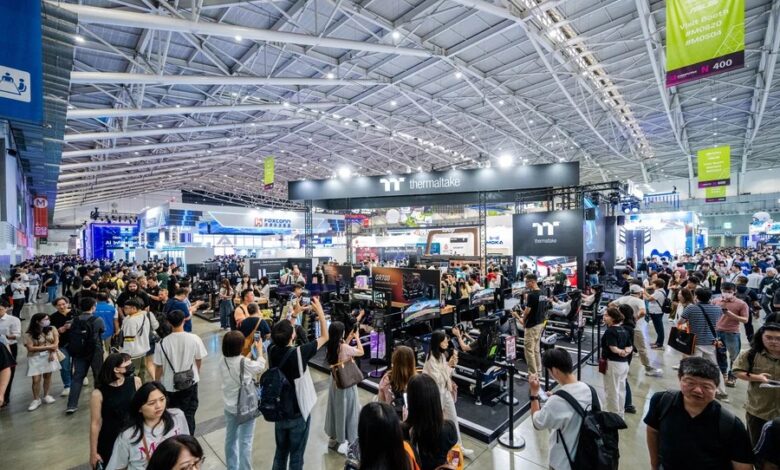
Reporting from Taipei, Taiwan: COMPUTEX 2026 has officially come to a close in Taipei, concluding a week-long showcase that reinforced the accelerating shift toward an AI-driven computing era. Under the theme “AI Together,” the event brought together global technology leaders, startups, and hardware innovators to demonstrate how artificial intelligence is moving from experimental workloads into core infrastructure across devices, data centers, and industrial systems.
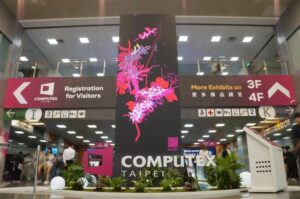
According to organizers, the exhibition drew 111,312 buyers and visitors from 152 countries and regions, underscoring COMPUTEX’s continued role as one of the world’s most influential platforms for AI, semiconductor, and startup ecosystems. The show also expanded its scope this year with new focus areas such as robotics, embodied AI, and next-generation computing platforms.
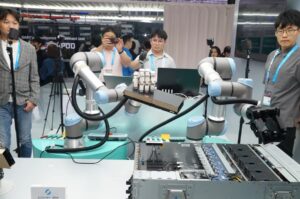
A central narrative throughout the event was the rise of “physical AI” — the integration of AI systems into real-world environments like manufacturing, logistics, healthcare, and mobility. Industry reports highlighted that this shift could unlock hundreds of billions of euros in potential market value by 2030, as enterprises move from digital-only AI tools to embodied systems capable of interacting with the physical world.
Hardware announcements from major players further reinforced this transition. NVIDIA unveiled its RTX Spark platform, positioning it as a foundation for “agentic AI” PCs that can run advanced AI models locally on laptops and desktops. The system is designed to enable continuous AI agents capable of handling complex tasks aut
onomously, marking a clear step toward more self-operating computing environments.
Across the show floor, the message was consistent: AI is no longer just a software layer but a full-stack ecosystem spanning chips, devices, networking, and enterprise software. Exhibitors emphasized local AI processing, high-performance inference hardware, and integrated systems that reduce reliance on cloud infrastructure while improving latency and control.

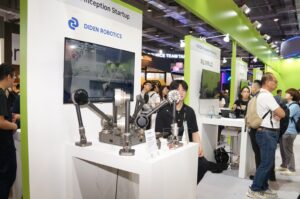
Startup participation also reached new highs, with InnoVEX expanding its international footprint and hosting hundreds of early-stage companies focused on robotics, AI infrastructure, and next-generation applications. The ecosystem spotlighted how innovation is increasingly distributed across both established tech giants and emerging challengers.
Beyond technology, COMPUTEX 2026 also emphasized sustainability and experience design, introducing greener exhibition practices and interactive installations that blended art, AI, and public engagement.
As the event concludes, industry sentiment points toward a rapidly converging future: AI, robotics, and advanced silicon are no longer separate domains, but interconnected layers of a single global computing ecosystem that is still taking shape.