Ultrahuman Raises $70 Million to Build the Next Generation of Human-Computer Interfaces for Health

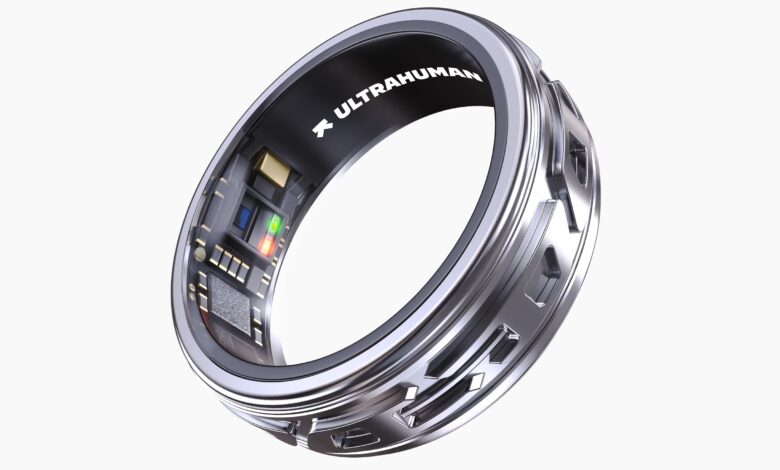
Health-tech company Ultrahuman has raised $70 million in a new financing round as it looks to move beyond the traditional wearable market and build what it describes as a new human-computer interface centred on the body. The round includes participation from Qualcomm Ventures, Labcorp, Alpha Wave, Blume, Nexus, Alteria and other investors. The company plans to use the fresh capital to accelerate its work across artificial intelligence, sensing technology, miniaturised electronics, health algorithms and clinical research.
The funding comes as Ultrahuman broadens its proposition from a smart-ring manufacturer into a health intelligence platform combining continuous physiological monitoring with AI and biological data.
Beyond the Smart Ring
Ultrahuman’s vision is to make the human body a new source of continuous computing data. Its ecosystem currently combines the Ultrahuman Ring with Blood Vision, continuous glucose monitoring, environmental sensing and AI-powered software. The company says the goal is to build a longitudinal picture of an individual’s health rather than rely on isolated measurements.
“For the longest time, computers have understood almost everything about the world except the person using them,” said Mohit Kumar, Founder and CEO of Ultrahuman. “We want to change that. We are building an interface that can understand the body continuously and translate its signals into intelligence that is useful in everyday life. Not another dashboard and not simply more data.”
The company believes this approach could eventually allow computing systems to understand factors including sleep, cardiovascular health, metabolism, hormonal rhythms, blood biomarkers, recovery and environmental conditions.
Building a Health-Tech Ecosystem
The Ultrahuman Ring sits at the centre of the company’s ecosystem, but the platform now extends well beyond the wearable itself. Blood Vision provides biochemical information across cardiovascular, metabolic, hormonal, inflammatory and longevity markers, while M1/M2 Live continuous glucose monitoring adds real-time metabolic data.
Ultrahuman Home extends the platform into the user’s environment by monitoring conditions that can influence sleep and recovery. Meanwhile, Jade, the company’s real-time biointelligence system, is designed to bring data from across the ecosystem together and turn it into conversational and actionable insights.
“The future of AI is personal, ambient, and always on,” said Quinn Li, Senior Vice President, Qualcomm Technologies, Inc., and Global Head of Qualcomm Ventures. “Ultrahuman is pioneering a new generation of personal AI devices that make personalised insights effortless.”
Research Becomes a Key Differentiator
Ultrahuman is also placing increasing emphasis on scientific research as it seeks to differentiate itself in the increasingly crowded wearable market. The company has introduced capabilities including AFib Detection, which it describes as the first such capability available on a smart ring, and Cycle & Ovulation Pro, based on OvuSense technology acquired with viO HealthTech.
Ultrahuman says Cycle & Ovulation Pro can confirm ovulation with more than 90% accuracy. The company has also been expanding its research base. A peer-reviewed study published in Frontiers in Digital Health in July 2026 examined cardiovascular fitness age across 442 adults, while research developed with collaborators including Stanford University analysed 227,860 nights of data from adults across 100 countries to examine sleep and metabolism.
In 2026, Ultrahuman launched Pulsomics, an opt-in research platform that allows Ring users to participate in large-scale studies using longitudinal, real-world health data. The company says the approach could help create health models that better account for differences in body types, lifestyles, populations and geographies.
“By combining longitudinal wearable data with deeper biological signals, Ultrahuman is creating new opportunities in personalised health,” said Megann Vaughn Watters, Vice President and Head of Labcorp Venture Fund & Strategic Alliances.
Turning the Ring into a Computing Platform
Ultrahuman is also opening up its platform to new capabilities through technologies such as PowerPlugs, which add specialised health features covering areas such as cardiovascular health, reproductive health, circadian alignment, respiratory health, pregnancy and metabolic health.
Its UltraSignal platform provides access to wearable sensor streams for new algorithms and health applications, while Ring PRO shifts more processing onto the wearable through on-device machine learning, expanded storage and a new sensing architecture.
The strategy represents a shift from the traditional wearable model, where devices largely deliver a fixed set of features, towards a platform that can gain new capabilities through software, AI, sensors and research.
$70 Million to Accelerate Global Expansion
With the latest funding, Ultrahuman plans to increase investment across AI, sensing, miniaturised electronics, health algorithms and clinical research, while expanding its Blood Vision and metabolic health offerings. The company also aims to take its health intelligence ecosystem to a larger global audience.
Ultrahuman’s broader ambition is to connect continuous physiological sensing with biological data, AI models and scientific research to create a system that can turn complex health signals into useful everyday insights. What started as a smart-ring business is therefore evolving into something broader: a technology platform designed to understand the human body.